The History of Slot Machines: From Invention to Internet
Slot machines are now a near-ubiquitous part of casinos and online gaming, captivating millions with their flashing lights, engaging themes, and the promise of instant riches. But the journey from their humble mechanical beginnings to the sprawling, high-tech world of internet slots is a fascinating story of innovation, regulation, and cultural adaptation. Understanding this history not only reveals how slot machines evolved but also how they came to shape—and be shaped by—modern entertainment culture.
The Birth of the Slot Machine: Late 19th Century Innovations
The slot machine’s history begins in the late 1800s, a period marked by rapid industrialization and technological experimentation. The first recognized slot machine was invented by Charles Fey in San Francisco in 1895. Fey’s creation, called the Liberty Bell, was a simple, three-reel device featuring symbols like horseshoes, stars, and the eponymous cracked bell. Players inserted a nickel and pulled a lever, hoping to align three bells for the top payout of 50 cents.
Fey’s machine was an instant hit, leading to widespread imitation. Unlike earlier gambling devices, the Liberty Bell could automatically pay out winnings, a breakthrough that streamlined gameplay and allowed for more rapid play. By the early 1900s, slot machines began appearing in bars, saloons, and cigar shops across the United States, despite restrictive anti-gambling laws in many states.
.png)
Key fact: By 1908, the Mills Novelty Company produced the “Operator Bell,” the first slot machine to use fruit symbols—cherries, lemons, and plums—a design choice that became iconic and persists in many machines today.
Prohibition, Regulation, and the Rise of the Electromechanical Slot
The 20th century saw increasing regulation of gambling, leading to creative adaptations in slot machine design and operation. During the Prohibition era (1920-1933), slot machines were often disguised as vending machines, dispensing gum or candy that matched the fruit symbols on the reels. This clever workaround allowed machines to circumvent anti-gambling laws, cementing fruit imagery as a slot staple.
As technology advanced, so did the slot machine. In 1963, Bally Technologies introduced the first fully electromechanical slot machine, the Money Honey. This machine could handle larger coin payouts and introduced new features like flashing lights and electronic sounds. The mechanical lever was gradually replaced by buttons, though many machines retained the lever for its satisfying tactile appeal.
Statistic: By 1976, the world’s first true video slot machine made its debut in Las Vegas, marking a shift towards digital technology that would accelerate in the following decades.
Slot Machines Go Digital: Video Slots and Microprocessors
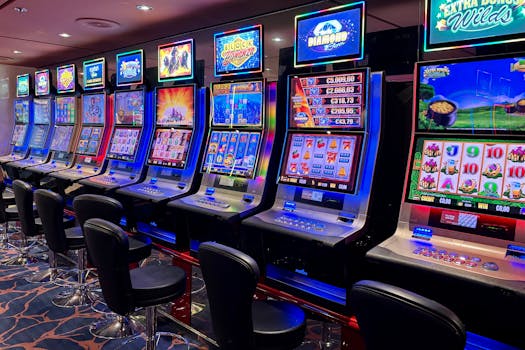
The late 1970s and 1980s ushered in a new era for slot machines, driven by advances in computer technology. The introduction of microprocessors enabled more complex game mechanics, diverse themes, and advanced random number generation (RNG) algorithms, ensuring fair play.
Video slots, first developed in 1976 by the Fortune Coin Company, used a modified 19-inch Sony television for the display. These slots quickly gained popularity, and by the 1980s, digital slots began to replace mechanical and electromechanical machines on casino floors.
The use of microprocessors allowed for the introduction of multiple paylines, bonus rounds, and progressive jackpots. In 1986, International Game Technology (IGT) launched the Megabucks slot, which linked machines across multiple casinos to offer multimillion-dollar jackpots. This innovation drove player interest and dramatically increased the popularity of slots.
Fact: By 1990, slot machines accounted for approximately 70% of the average casino’s revenue in the United States, up from less than 50% in the 1970s.
The Internet Revolution: Online Slots and Global Reach
The 1990s marked a pivotal turning point with the advent of the internet. The first real-money online casino, InterCasino, launched in 1996, offering a handful of digital slot games. Online slots mirrored the experience of their land-based counterparts but introduced new possibilities: unlimited themes, animated graphics, and interactive bonus features.
The rapid spread of broadband internet in the 2000s turbocharged online gaming. Slot developers began creating titles with elaborate storylines, branded content (including blockbuster movies and celebrities), and 3D graphics. The global online gambling market, valued at just $8 billion in 2001, soared to over $66.7 billion by 2023, with online slots representing a major share of that growth.
Example: In 2012, the online slot “Mega Fortune” by NetEnt paid out a world-record €17.8 million (about $23.6 million) jackpot, demonstrating the massive potential of digital progressive slots.
Mobile and Social Gaming: The Modern Era of Slots
The rise of smartphones and tablets has fundamentally transformed how people access slot machines. Mobile slots, optimized for touchscreens and portable play, now dominate the online market. According to a 2023 report by Statista, over 62% of global online gambling revenue comes from mobile devices.
Social gaming has also expanded the reach of slots. Platforms like Facebook and mobile app stores offer “free-to-play” slot experiences, where players use virtual coins and can purchase additional credits. Although these games typically do not offer real-money payouts, they attract millions of users and generate significant revenue through microtransactions.
Key statistic: In 2022, the global social casino market was worth $7.2 billion, with slot games as the most popular category.
Comparing Slot Machine Eras: Mechanical vs. Video vs. Online
Slot machines have evolved dramatically over the last century, not just in appearance but in how they operate, engage players, and generate revenue. The table below summarizes key differences across three major eras.
| Feature | Mechanical (1890s-1960s) | Video (1970s-1990s) | Online (1996-Present) |
|---|---|---|---|
| Technology | Springs, gears, reels | Microprocessors, screens | Software, RNG, internet |
| Maximum Paylines | 1 | Up to 9-20 | Hundreds |
| Jackpot Size | Up to $50 | Millions (progressive) | Millions (online progressive) |
| Accessibility | Physical casinos, bars | Casinos | Anywhere with internet |
| Gameplay Features | Basic spin | Bonus rounds, video themes | Interactive, 3D graphics, branded content |
| Player Demographics | Mostly local | Regional | Global audience |
Why the History of Slot Machines Matters Today
The evolution of slot machines is more than just a tale of changing technology—it reflects broader trends in entertainment, regulation, and society’s relationship with risk and reward. Today’s slot machines, whether physical or digital, are the product of more than a century of innovation, adaptation, and sometimes controversy.
Understanding this history helps players appreciate the complexity behind what might seem like a simple game of chance. It also highlights the importance of responsible gaming, as the accessibility and engaging nature of modern slots can increase the risk of addiction.
Moreover, the story of slot machines is far from over. With advances in virtual reality, augmented reality, and artificial intelligence, the next chapter in slot machine history is already being written—promising new forms of interactivity and immersion for generations to come.