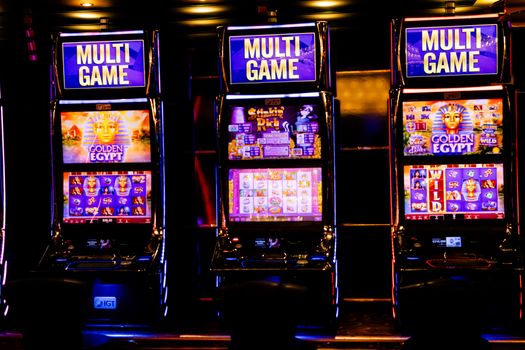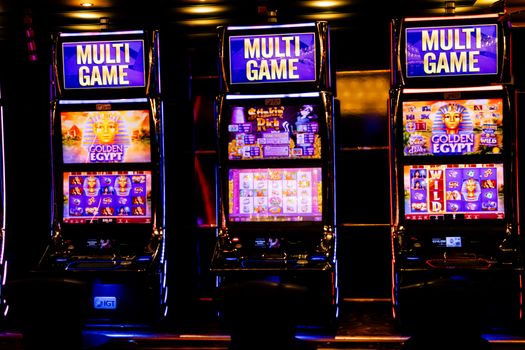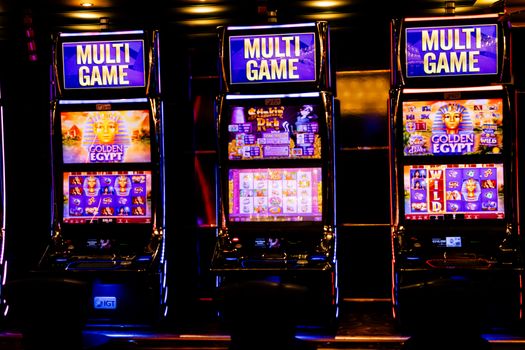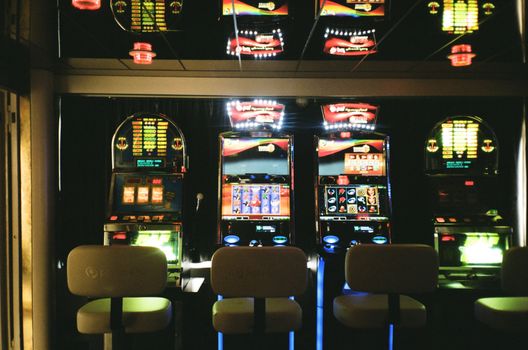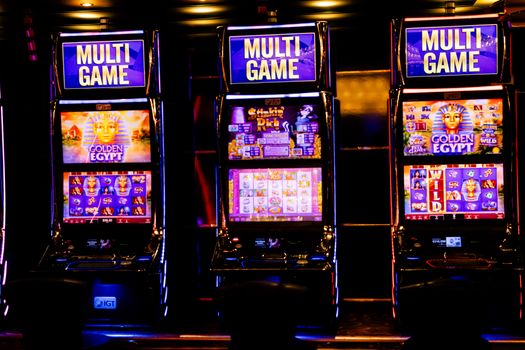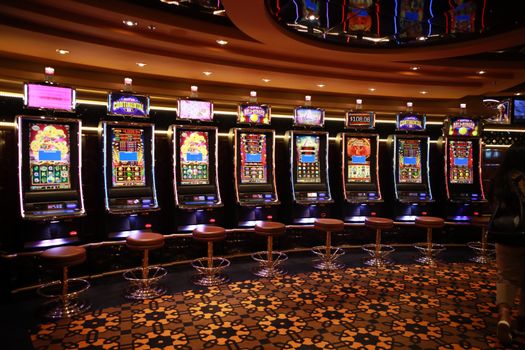
Slot machines are more than just flashing lights and catchy jingles. Behind every spin lies a carefully crafted experience designed to captivate players and keep them coming back for more. While the technology powering slot machines continues to evolve, the true engine of these games is human psychology. Understanding why people play, how they react to wins and losses, and the subtle cues that influence decision-making can shed light on the enduring appeal of slots—both in physical casinos and online. This exploration into the psychology of slot machines unpacks the hidden mechanisms that drive player behavior and choices.
The Allure of Slot Machines: More Than Just Luck
At first glance, slot machines appear to be simple games of chance. You insert money, press a button, and hope for a winning combination. But the reality is far more complex. Slot machines are meticulously engineered to engage the brain’s reward system, making every spin an emotional experience.
One of the most compelling psychological drivers is the concept of “variable ratio reinforcement.” This is the same principle that makes gambling—and even social media—so addictive. In a variable ratio system, rewards (in this case, wins) are given out at unpredictable intervals. This unpredictability triggers a surge of dopamine, the brain’s “feel good” neurotransmitter, every time the player spins the reels, regardless of the outcome.
.png)
A 2017 study published in the journal Addiction Research & Theory found that slot machine players experienced significant increases in heart rate and self-reported excitement when playing, even during losing streaks. The anticipation of a possible win is powerful enough to keep players engaged, sometimes for hours on end.
The Science Behind Near Misses and "Losses Disguised as Wins"
Slot machines often display “near misses”—outcomes that come tantalizingly close to a win, such as two jackpot symbols and a third just above or below the payline. Research conducted by Dr. Luke Clark at the University of Cambridge revealed that near misses activate the same regions of the brain as actual wins, despite resulting in no payout. This psychological trickery leads players to believe they are “almost winning,” fueling the urge to continue playing.
Another common tactic is the “loss disguised as a win” (LDW). On multiline slots, players might wager $1.00, win $0.40, and be greeted by celebratory sounds and flashing lights. The sensory feedback mimics that of a true win, even though the player has actually lost $0.60. According to a 2011 study in the Journal of Gambling Studies, LDWs can “confuse players about the true outcome of the game,” leading to overestimation of winnings and prolonged play.
Design Elements That Influence Player Choices
Slot machines are masterpieces of psychological design. Every detail, from the colors and sounds to the shape of the buttons, is optimized to enhance player engagement. Here are some of the most influential design elements:
1. $1 Bright lights, upbeat music, and jingles reinforce wins or near wins. A 2013 study by Dixon et al. found that players respond more positively to machines with vivid visual and auditory feedback. 2. $1 Modern slot machines allow players to select avatars, themes, and even background music, creating a sense of ownership and personal connection. 3. $1 Allowing players to adjust bet sizes and paylines gives a sense of control, even though the odds remain the same. 4. $1 Themed slots based on movies, TV shows, or mythology tap into familiar narratives, increasing emotional investment. 5. $1 Some slots let players stop the reels or “nudge” a symbol, creating the illusion of skill influencing the outcome.These elements are not random; they are based on extensive research into human behavior and cognition. The goal is to keep players in a state of “flow”—fully immersed, with a distorted sense of time and reduced self-awareness.
The Role of Cognitive Biases in Slot Machine Play
Cognitive biases—systematic errors in thinking—play a big role in how players interact with slot machines. Here are a few that are particularly relevant:
- $1 The belief that a win is “due” after a series of losses, despite each spin being independent and random. - $1 Feeling that actions such as pressing the button at a certain time or choosing a specific machine can influence the outcome. - $1 Overestimating the frequency of wins because they are more memorable and salient, especially with the help of machine feedback. - $1 Focusing on outcomes that confirm pre-existing beliefs, such as a “lucky” machine or strategy.A 2020 survey by the Nevada Council on Problem Gambling found that 56% of regular slot players held at least one false belief about slot machine odds or strategies. These cognitive distortions are not only common but are subtly encouraged by the design and presentation of the games.
Player Profiles: Who Plays Slots and Why?
Understanding player behavior also means looking at who plays slot machines. Contrary to popular belief, slot machine players are a diverse group. According to the American Gaming Association, 48% of U.S. casino visitors in 2022 played slot machines, making it the most popular form of casino gambling.
Demographic research reveals that:
- The typical slot player is between 45 and 65 years old. - Women are more likely than men to prefer slots over table games, with 62% of female casino visitors choosing slots as their primary activity. - Slots appeal to both novice and experienced gamblers due to their simplicity and low minimum bets.Motivations for playing vary widely. Some players seek entertainment and relaxation, while others are drawn by the dream of a big jackpot. For a subset of players, slot machines serve as an escape from stress or negative emotions—a phenomenon known as “escape gambling.” A 2019 study in the Journal of Behavioral Addictions found that 27% of slot players reported playing primarily to “zone out” or “forget their problems.”
Comparing Player Experiences: Land-Based vs. Online Slots
The rise of online casinos has added new dimensions to slot machine psychology. While the core mechanics remain the same, the player experience can differ significantly between land-based and online slots. The table below summarizes some key points of comparison:
| Factor | Land-Based Slots | Online Slots |
|---|---|---|
| Social Interaction | Presence of other players, casino atmosphere | Solitary experience, online chat features (sometimes) |
| Sensory Engagement | Physical buttons, lights, sounds, tactile feedback | Digital graphics, surround sound, haptic feedback (on some devices) |
| Accessibility | Travel required, limited hours | Available 24/7 from anywhere with internet |
| Game Variety | Limited by floor space | Hundreds or thousands of themes and formats |
| Reward System | Physical rewards, loyalty cards | Digital bonuses, free spins, loyalty points |
Online platforms use their own psychological tools, such as daily bonuses, timed challenges, and pop-up notifications to keep players engaged. However, the lack of physical cues can also make it easier for players to lose track of time and spending.
Responsible Gambling and the Psychology of Self-Control
While the psychological strategies used in slot machine design are effective at increasing engagement, they also raise important ethical questions. Problem gambling affects approximately 2.5 million adults in the U.S. each year, according to the National Council on Problem Gambling. Many of these individuals cite slot machines as their primary game of choice.
Casinos and regulators have responded with a range of responsible gambling measures, including:
- Time and spending limits - “Reality check” notifications - Self-exclusion programs - Prominent display of odds and payback percentagesRecent advances in behavioral tracking allow casinos and online platforms to identify at-risk players based on patterns such as rapid play, chasing losses, or increased bet sizes. Once identified, these players might receive pop-up messages urging caution, or be offered self-exclusion options.
Despite these efforts, the combination of powerful psychological triggers and easy access means that players must remain vigilant. Understanding how slot machines work—and the psychological forces at play—can empower individuals to make informed, responsible choices.
Final Thoughts on the Psychology of Slot Machines
Slot machines are a fascinating intersection of technology, entertainment, and psychology. Their enduring popularity rests not only on the chance to win, but on the complex web of sensory cues, cognitive biases, and emotional rewards that keep players engaged. By understanding the psychological underpinnings of slot machine design and player behavior, both players and regulators can make more informed decisions. While the thrill of the spin will always be part of the appeal, awareness is the first step toward balanced and responsible play.