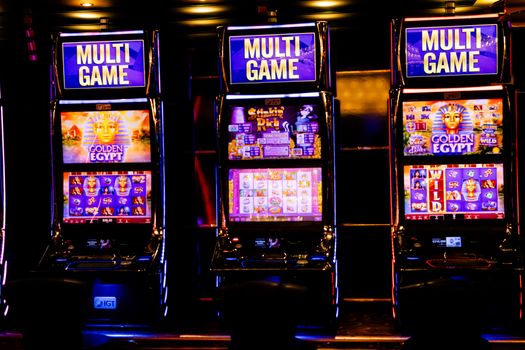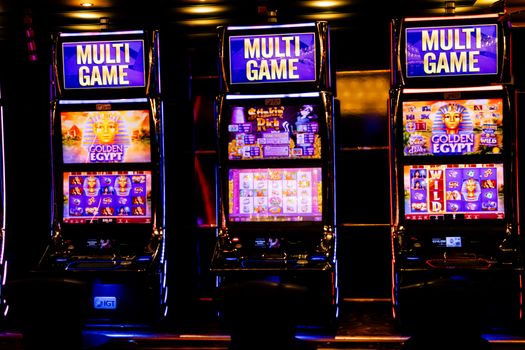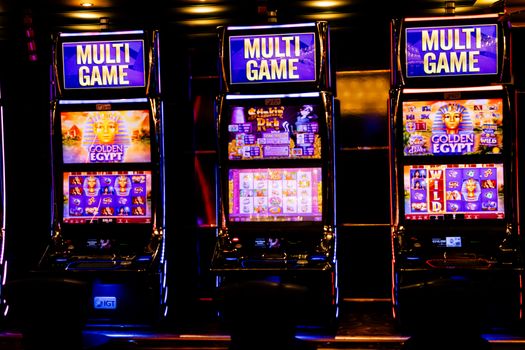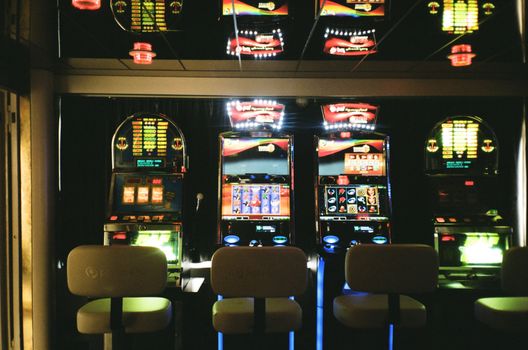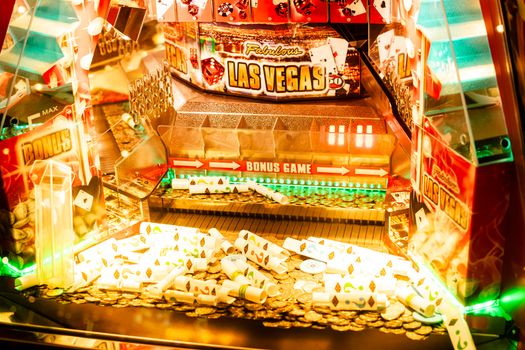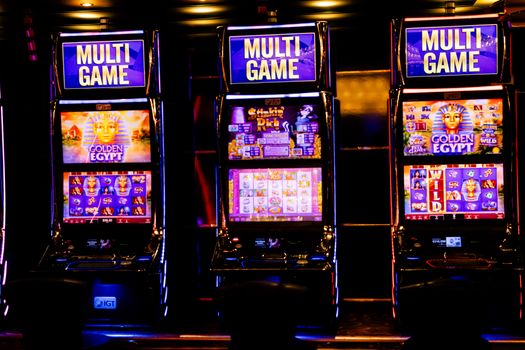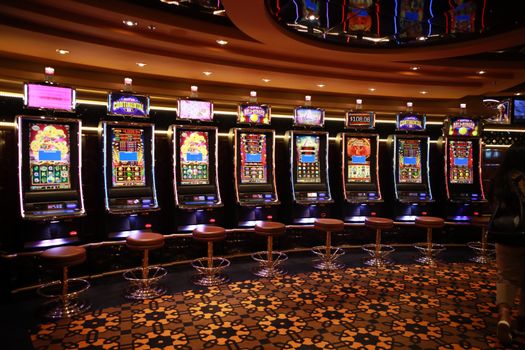
Slot machines are a staple of casinos worldwide, from the dazzling floors of Las Vegas to the digital screens of online gaming sites. But have you ever wondered why, even after a string of losses, we keep pressing that button or pulling that lever? The answer lies not just in luck, but in the fascinating field of psychology. Slot machine design is a masterclass in behavioral science, employing sophisticated techniques to keep us engaged, excited, and coming back for more. In this article, we’ll peel back the curtain on the psychology behind slot machine design and explore why these games are so irresistible.
The Allure of Random Rewards: Variable Ratio Reinforcement Explained
One of the most powerful psychological hooks in slot machine design is the use of variable ratio reinforcement. This is a concept borrowed from behavioral psychology, particularly the work of B.F. Skinner in the 20th century. Skinner discovered that when rewards are given out at unpredictable intervals, the behavior they reinforce becomes incredibly persistent.
In slot machines, wins (rewards) are distributed at random, unknown intervals. Players never know when the next spin will pay off, creating a suspenseful anticipation. This mirrors the famous “Skinner box” experiments, where animals pressed levers more persistently when rewards were unpredictable. The same principle applies to humans at the slot machine: the unpredictability of wins keeps us playing, hoping that the next spin might be the lucky one.
.png)
Research supports the effectiveness of this approach. Studies have shown that variable ratio schedules are not only more engaging but also more resistant to extinction, meaning players are less likely to stop even after long losing streaks. In fact, a 2019 study published in the journal Addictive Behaviors found that slot machines using variable reinforcement schedules led to longer play sessions and higher spending compared to games with regular, predictable payouts.
Designing for Immersion: Lights, Sounds, and Sensory Cues
Walk into any casino, and you’ll be greeted by a symphony of flashing lights, catchy jingles, and spinning reels. These sensory cues aren’t just for show—they play a critical role in the psychological appeal of slot machines.
Colorful lights and celebratory sounds are strategically used to create a sense of excitement and reward. Even small wins are often accompanied by exaggerated audio-visual feedback, tricking the brain into overestimating the frequency and size of wins. This is known as the “near-miss effect,” where players perceive losses that are close to a win (e.g., two matching symbols out of three) as almost as rewarding as actual wins.
A study by Dixon et al. (2010) found that near-miss events, combined with stimulating audio-visual feedback, increased players’ arousal and motivation to continue playing. The combination of sensory cues and near-miss outcomes creates an immersive experience that can be difficult to walk away from.
The Illusion of Control: How Choice Keeps Us Hooked
Slot machines have evolved far beyond the simple pull of a lever. Modern slots often offer players multiple paylines, bonus features, and interactive mini-games. This isn’t just about entertainment—it’s about giving players the illusion of control.
When players feel they are making meaningful choices, they experience a sense of agency, even if the outcome is still determined by random number generators (RNGs). Research has shown that people are more likely to engage with—and spend more money on—games where they feel their actions influence the outcome.
A 2017 survey by the UK Gambling Commission found that 60% of slot players reported a greater sense of excitement and involvement when they could choose paylines or activate bonus rounds. Even though these choices do not actually increase the odds of winning, the illusion of control is enough to keep players invested and playing longer.
The Role of Losses Disguised as Wins
One of the subtler psychological tricks in slot machine design is the concept of “losses disguised as wins” (LDWs). This occurs when a player receives a payout that is less than their original bet, but the machine still celebrates the event with lights and sounds as if it were a win.
For example, if you bet $1 per spin and the machine pays out $0.50, it will often trigger the same celebratory feedback as a true win. Studies have found that LDWs can significantly distort players’ perceptions of their success. A 2013 experiment published in the journal Psychology of Addictive Behaviors found that players who experienced more LDWs overestimated their actual winnings and were more likely to continue playing.
The table below illustrates the difference between true wins, losses, and losses disguised as wins:
| Type of Outcome | Bet Amount | Payout | Net Result | Celebratory Feedback? |
|---|---|---|---|---|
| True Win | $1.00 | $2.00 | +$1.00 | Yes |
| Loss | $1.00 | $0.00 | -$1.00 | No |
| Loss Disguised as Win (LDW) | $1.00 | $0.50 | -$0.50 | Yes |
This clever design trick helps to blur the line between winning and losing, making the game feel more rewarding and less punishing than it actually is.
The Power of Near Misses and “Just One More Spin” Thinking
Few things are as compelling as the feeling of “almost winning.” Slot machines frequently display near-miss outcomes—think two cherries and a bar, or just one symbol away from a jackpot. These near misses trigger the brain’s reward system almost as strongly as actual wins.
A 2014 study from the University of Cambridge found that near-miss events activated the same neural circuits as real wins, encouraging players to keep playing despite losing. This “just one more spin” mentality is a cornerstone of slot machine engagement. The anticipation and perceived proximity to a win can override logic and fuel persistent play.
Additionally, the ease and speed of slot machines make it simple to chase losses or try to recapture the feeling of an almost-win. The fast-paced gameplay and frequent near-miss events keep adrenaline high and make it hard for players to step away.
Modern Technology: Personalization and Player Tracking
In the digital age, slot machine psychology has become even more advanced. Many modern slot machines and online platforms use sophisticated player tracking systems to monitor habits, preferences, and playing patterns.
Casinos use this data to tailor offers, bonuses, and even game experiences to individual users. For example, if a player tends to stay longer after receiving small wins, the system may increase the frequency of such outcomes. Some machines can even adjust game difficulty or reward frequency in real time, creating a highly personalized experience designed to maximize engagement.
A 2022 report from the American Gaming Association estimated that over 80% of new slot machines in the United States are equipped with advanced tracking and personalization features. These technologies allow casinos to finely tune the player experience, making games even more addictive.
Responsible Gaming and Awareness: Protecting Players
While the psychology behind slot machine design is fascinating, it’s important to recognize its potential downsides. The same features that make these games enjoyable can also contribute to problem gambling. In the United States, the National Council on Problem Gambling estimates that 2-3% of adults (about 6 million people) struggle with a gambling disorder.
Many jurisdictions are taking steps to promote responsible gaming, such as mandatory warning labels, self-exclusion programs, and limits on bet sizes. Some slot machines now include pop-up messages reminding players to take breaks or informing them of their time and money spent.
Awareness of these psychological techniques can empower players to make informed choices and enjoy slots as a form of entertainment, rather than falling into unhealthy patterns.
What We Can Learn from the Psychology of Slot Machines
Slot machine design is a remarkable blend of technology, entertainment, and behavioral science. From variable rewards and sensory stimuli to the illusion of control and near-miss outcomes, every aspect is finely tuned to keep players engaged. Understanding the psychology behind these games can help us appreciate their allure—and recognize when it’s time to step away.
As slot machines continue to evolve with new technologies and data-driven personalization, being aware of these psychological hooks is more important than ever. The next time you hear the jingle of a jackpot or see those spinning reels, you’ll know exactly why it’s so hard to resist.