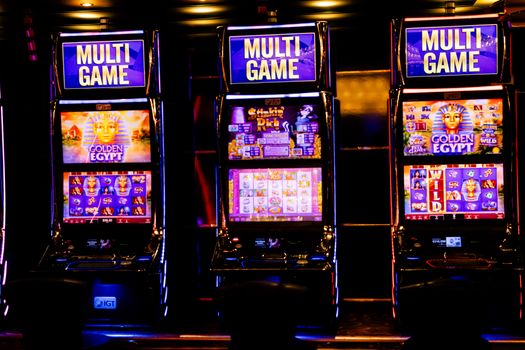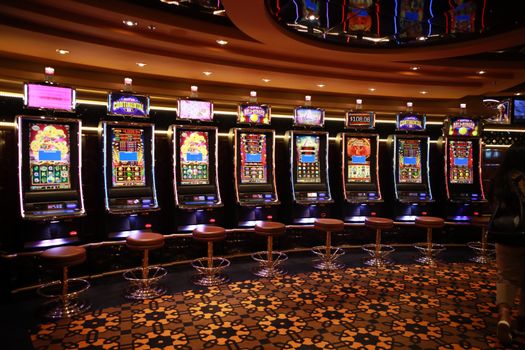
Slot machines have become a staple of casinos worldwide, capturing the attention of millions of players each year. Despite the knowledge that the odds are stacked in favor of the house, people continuously flock to these brightly lit machines, spinning reel after reel in pursuit of that elusive jackpot. What is it about slot machines that makes them so irresistible? The answer lies deep within the intersection of human psychology and sophisticated game design. This article explores the psychology behind slot machine design and why we keep playing—even when we know the odds.
The Allure of Near Misses and Intermittent Rewards
One of the most powerful psychological mechanisms that keeps players glued to slot machines is the concept of intermittent reinforcement—a reward schedule where wins are unpredictable and infrequent. This concept was first explored by psychologist B.F. Skinner in the 1950s, who found that rats and pigeons would press levers far longer when rewards were unpredictable than when they received a treat every time.
Slot machines are expertly programmed to deliver wins on a variable ratio schedule. In 2019, a study published in the journal "Addiction" found that players are most engaged when the win frequency is around 15%, which means that out of every 100 spins, about 15 will result in a win of some kind. This frequency keeps hope alive without draining a player’s bankroll too quickly.
.png)
The concept of "near misses" further fuels this engagement. A near miss occurs when the symbols on the reels almost align for a jackpot, such as two jackpot symbols appearing next to a third non-jackpot symbol. A 2013 study by Dr. Luke Clark at the University of Cambridge discovered that near misses activate the same brain regions as actual wins, particularly the striatum and insula. This creates the illusion of being "so close," motivating players to keep spinning in the belief that a big win is just around the corner.
Visual and Auditory Stimuli: Engaging the Senses
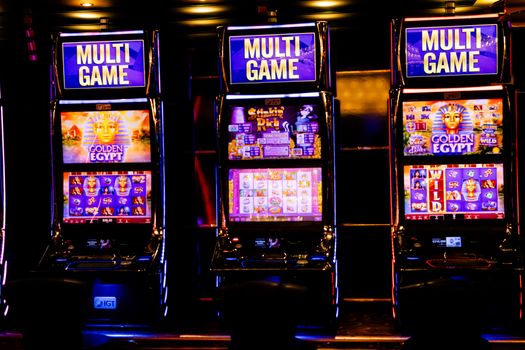
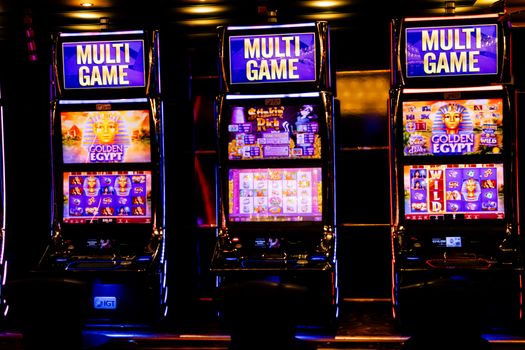
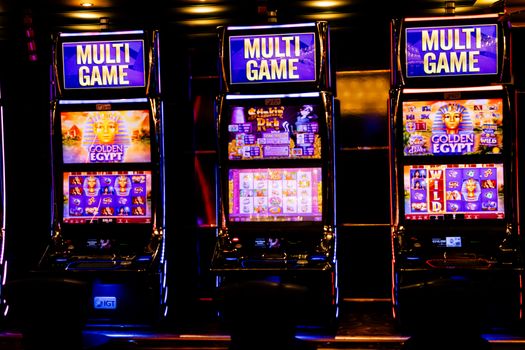
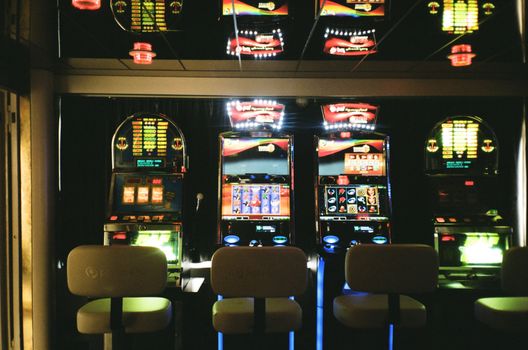
Slot machines are designed to be sensory playgrounds. The flashing lights, vibrant colors, and dynamic animations are not accidental; they are carefully crafted to maximize player engagement. The auditory experience is equally important. Studies have shown that winning sounds—even for small payouts—trigger dopamine release in the brain, the same chemical associated with pleasure and reward.
In 2017, researchers from the University of Alberta found that sounds associated with wins, such as jingles and celebratory noises, made players overestimate how often they were actually winning. This is known as the "illusion of control," where sensory feedback distorts perception and keeps players in a positive emotional state, even during losing streaks.
Modern slot machines use high-definition graphics and surround sound to create immersive gaming environments. For example, popular slot titles like "Wheel of Fortune" and "Buffalo Gold" use themed music and bonus animations to heighten excitement, making the experience memorable and encouraging repeat play.
Personalization and Player Tracking: Crafting the Perfect Experience
Today’s slot machines are far more than simple mechanical devices. They are sophisticated computers equipped with player tracking systems and advanced algorithms. Casinos use loyalty cards and account-based play to gather data on player behaviors, preferences, and spending patterns. According to a 2022 report by the American Gaming Association, over 60% of U.S. casinos utilize some form of player tracking technology.
This data is used to personalize offers and incentives, such as free spins, bonus credits, or even targeted emails. The goal is to keep players engaged and returning. Slot machines can also adjust game features based on player preferences, such as offering more frequent bonus rounds or tailoring the volatility of the game to match the player’s risk profile.
The result is a gaming experience that feels uniquely tailored, increasing emotional investment and the likelihood of continued play. This personalization taps into our innate desire for recognition and reward, blurring the line between entertainment and compulsion.
The Role of Losses Disguised as Wins
A particularly clever aspect of slot machine design is the concept of "losses disguised as wins" (LDWs). An LDW occurs when a player receives a payout that is less than their original bet, but the machine celebrates the outcome with lights and sounds as if it were a genuine win.
For example, if a player bets $1.00 and wins $0.40, the machine might still play a triumphant jingle and flash bright colors. Research published in "Psychology of Addictive Behaviors" (2014) showed that players often misinterpret these outcomes as actual wins, leading to overestimation of their success and increased play duration.
LDWs manipulate perception by leveraging our brain’s reward system, reinforcing the behavior of spinning the reels even in the face of consistent losses. This subtle psychological trick is so effective that it has been the subject of regulatory scrutiny in several countries.
Comparison Table: Traditional vs. Modern Slot Machine Design Features
To better understand how the psychological hooks have evolved, here is a comparison of key features between traditional slot machines and modern video slots:
| Feature | Traditional Slot Machines | Modern Video Slots |
|---|---|---|
| Reward Schedule | Simple, predictable payouts | Complex, variable ratio rewards; frequent near misses |
| Visual Design | Mechanical reels, basic lights | High-definition graphics, dynamic animations |
| Sound Effects | Simple chimes, bell sounds | Immersive surround sound, themed music |
| Personalization | None | Player tracking, tailored bonuses and features |
| Losses Disguised as Wins | Rare | Common, celebrated with win sounds and visuals |
The Impact of Time-on-Device and Flow States
Another factor that keeps players engaged is the concept of "time-on-device," which refers to the duration a player spends actively playing a machine. Casinos and slot manufacturers closely monitor and optimize this metric, as longer play sessions equate to higher revenues.
One way slot machines achieve this is by creating a state of "flow," a psychological condition where players become so absorbed in the activity that they lose track of time and external concerns. Researchers have found that the rapid, continuous play of modern slot machines—with as many as 1,200 spins per hour—facilitates this flow state. The seamless transition between spins, automatic re-betting options, and minimal downtime all contribute to keeping players "in the zone."
A study conducted by the University of Nevada in 2021 revealed that 70% of frequent slot players reported losing track of time during play, highlighting the effectiveness of design choices in fostering immersive experiences.
Why Understanding Slot Machine Psychology Matters
Understanding the psychological principles behind slot machine design is crucial for both players and regulators. These machines are not merely games of chance; they are meticulously engineered to exploit cognitive biases and reward systems in the human brain. The U.S. slot machine industry is massive, with annual revenues exceeding $34 billion according to the American Gaming Association’s 2023 report.
Awareness of these psychological drivers can help individuals make informed choices about their gambling habits. It can also inform public policy and responsible gambling initiatives, ensuring that players are protected from predatory practices while still enjoying entertainment.
Final Thoughts on the Psychology Behind Slot Machine Design
Slot machines are marvels of modern entertainment engineering, blending technology and psychology to create highly engaging experiences. From the allure of near misses and the power of intermittent rewards to the sensory overload of lights and sounds, every aspect of slot machine design is intended to maximize engagement and keep players coming back.
By understanding the psychological mechanisms at play, players can better recognize the subtle cues that influence their behavior and make more conscious decisions about how they play. As the industry continues to evolve, ongoing research and responsible gaming measures will be essential to ensure that the excitement of slot machines doesn’t come at the cost of player well-being.