Introduction
Slot machines are a cornerstone of casino gaming, known for their bright lights and captivating sounds. However, beyond their immediate allure lies a deep integration of art and technology, designed to enhance player experience and engagement. This article explores the aesthetics of slot machine games, shedding light on how each element contributes to the overall appeal of the game.
The Evolution of Slot Machine Aesthetics
.png)
The transformation of slot machines from one-armed bandits with basic symbols to sophisticated digital platforms with elaborate themes illustrates significant advancements in digital art. Early slot machines were quite rudimentary, featuring iconic symbols like fruits, bells, and BARs. Modern slots, however, are akin to video games, boasting high-definition graphics and 3D animations that pull players into the narrative of the game.
Graphic Design and Symbolism
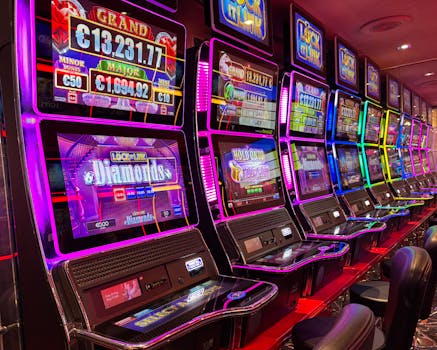
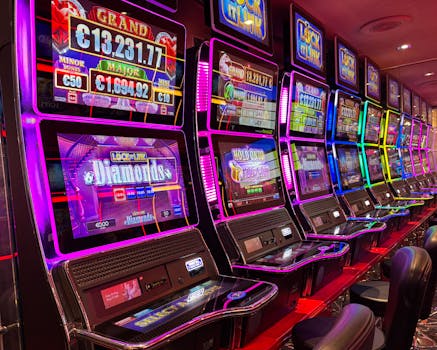
In slot machine games, every element on the screen is meticulously crafted to contribute to a thematic universe. The symbols, which are central to the game's narrative, are designed with rich details and vibrant colors to catch the eye. Themes can range from classic historical settings to fantastical, otherworldly adventures, allowing players to immerse themselves in a story as they play. This thematic coherence helps in maintaining player engagement and makes the gameplay experience more enjoyable.
Animation and Effects
Animations in slot machines serve multiple functions; they entertain, inform, and maintain the dynamic pace of the game. For instance, the animated flicker of flames or shimmer of gold can signify winning spins, enhancing the visual feedback for the player’s success. Special features like expanding wilds or cascading reels are also often highlighted with unique animations, adding excitement and a visual treat to the gameplay.
Sound Design
The role of sound in slot machines is both practical and atmospheric. Sound cues are essential for signaling wins, losses, and special events within the game, helping players understand the game state without constantly checking scoreboards. Moreover, thematic music and ambient sounds help to reinforce the game's setting, enveloping the player in a cohesive audio-visual experience.
User Interface and Usability
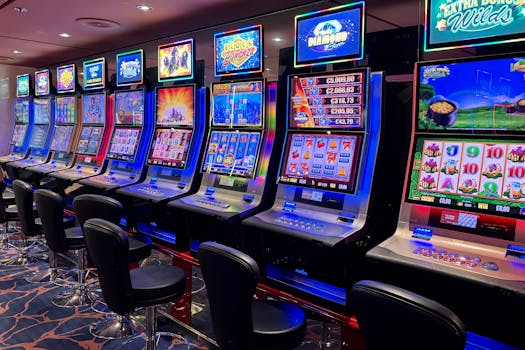
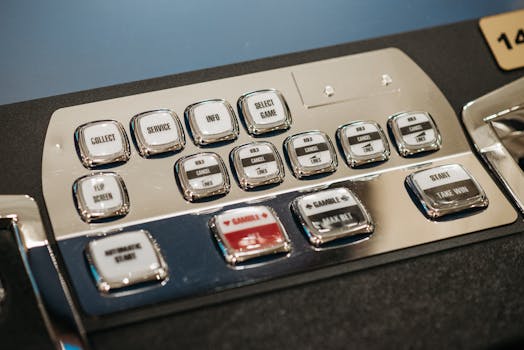
A slot game’s user interface (UI) is critical in making the game accessible and enjoyable. The UI must be clear and intuitive, allowing players to easily understand how to play, check their balance, and adjust their bets. Buttons and menus are designed not only for aesthetic harmony but also for ergonomic comfort, ensuring that players can enjoy the game without frustration.
Psychological Impact of Aesthetics
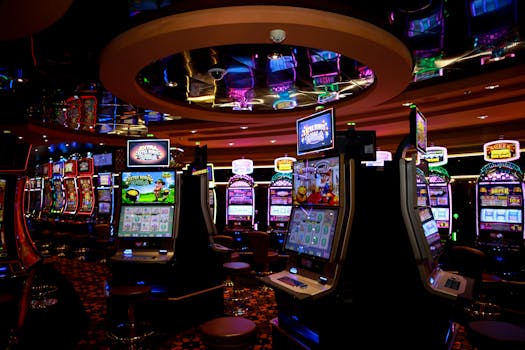
The aesthetics of slot machines are carefully designed with psychological triggers that encourage gaming behavior. The use of bright colors and flashing lights can create arousal and draw players in, while certain color schemes can evoke different emotions, influencing how players feel and behave while gaming. The rewarding visuals and sounds following a win can also trigger the release of dopamine, reinforcing the gaming behavior and encouraging longer play sessions.
The Role of Art in Player Engagement
In the competitive world of online casinos, a slot machine's artistic quality can be a significant differentiator. High-quality graphics, engaging animations, and coherent themes can attract players looking for more than just a monetary reward—they seek entertainment, escapism, and a visually pleasing experience. The art of a slot game can turn a simple gambling experience into an engaging journey that players return to repeatedly.
Conclusion
The aesthetics of slot machine games are integral to their success and appeal. As digital technology advances, the potential for more innovative and immersive experiences grows. For developers, continuing to push the boundaries of what can be achieved with digital art in slot machines will be key to captivating future audiences, ensuring that the art of digital gaming continues to evolve and excite.