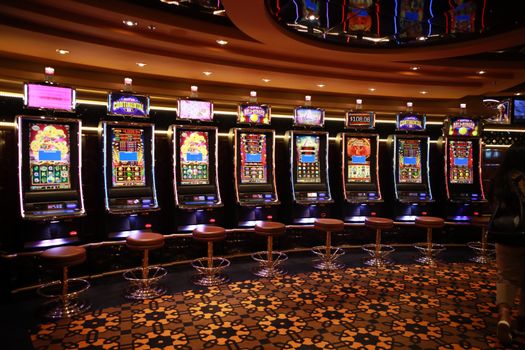
Slot machines are more than just brightly lit entertainment machines found in casinos and online platforms; they are meticulously crafted experiences rooted deeply in psychological science. With the convergence of technology and behavioral insights, slot machine designers deploy a range of psychological tactics to maximize player engagement—and, ultimately, profits. This raises a pivotal question: is it ethical to use psychological tricks to influence gambling behavior, especially when vulnerable populations are at stake? Exploring the ethics of psychological tactics in slot machine design is not just about the games themselves—it's about the values of the society that creates and regulates them.
The Psychology Behind Slot Machine Design
The modern slot machine is a marvel of behavioral engineering. Unlike their mechanical ancestors, today’s machines rely on complex algorithms, immersive soundtracks, and vibrant graphics, all designed to capture and keep players’ attention. But the real power lies in the subtle use of psychological principles.
One of the most notable tactics is the use of variable-ratio reinforcement schedules, a concept borrowed directly from behavioral psychology. In this system, rewards (wins or payouts) are given out at unpredictable intervals, which has been shown to create the highest rates of response in subjects, whether rats in a Skinner box or people at a casino. This unpredictability triggers the brain’s dopamine system, giving players a "hit" of excitement, even when they lose.
.png)
Another tactic is the "near miss" phenomenon. Studies, including a 2012 research paper published in the Journal of Neuroscience, have shown that near misses—where symbols line up just off a win—activate similar brain regions as actual wins. This keeps players engaged, as the illusion of almost winning encourages them to keep playing.
Sound, color, and light are also carefully engineered. According to research by the University of Waterloo, slot machines with engaging audio-visual effects can prolong play time by up to 20%. These sensory cues create an immersive environment that can make it difficult for players to keep track of time and money.
Ethical Concerns: Manipulation vs. Entertainment
At the heart of the debate over psychological tactics in slot machine design lies the distinction between entertainment and manipulation. While all games aim to engage players, the line is crossed when designers exploit cognitive biases and psychological vulnerabilities to maximize profits at the expense of player well-being.
Critics argue that the use of near misses, variable rewards, and immersive sensory cues are less about fun and more about fostering addictive behavior. According to the National Council on Problem Gambling, an estimated 2-3% of Americans (roughly 6 to 9 million people) struggle with gambling problems, and slot machines are disproportionately associated with gambling addiction. In some jurisdictions, more than 70% of gambling addiction cases are linked to slot machine play.
The "losses disguised as wins" tactic is another ethical flashpoint. Here, the machine celebrates a win—even when the prize is less than the original wager—reinforcing play despite a net loss. This tactic has been criticized by the American Psychological Association for its potential to mislead players into thinking they are doing better than they actually are.
Proponents of these design features argue that adults should have the freedom to enjoy gambling as entertainment, provided there are clear disclosures and responsible gaming tools. However, the asymmetry of knowledge—designers possessing detailed behavioral data, while players often lack full awareness of the psychological manipulation—raises serious ethical concerns about informed consent.
Industry Standards and Regulatory Responses
Recognizing the potential for harm, regulators around the world have begun to scrutinize the use of psychological tactics in slot machine design. But standards vary widely between jurisdictions.
In the United Kingdom, the Gambling Commission requires all gaming machines to display accurate information about odds and to include mandatory "reality checks," such as reminders of time spent playing. Australia, which has one of the highest rates of slot machine gambling per capita, mandates that machines cannot use certain sensory cues to disguise losses as wins.
The United States takes a more patchwork approach, with each state setting its own regulations. Some states, like Nevada and New Jersey, have implemented requirements for clear payout disclosures and responsible gaming features, but enforcement and specifics differ.
Below is a comparison of regulatory approaches across different regions:
| Region | Key Slot Machine Regulations | Mandatory Responsible Gaming Features |
|---|---|---|
| United Kingdom | Display of odds, ban on certain misleading features | Reality checks, time and spend limits, self-exclusion |
| Australia | Ban on losses disguised as wins, limits on bet size | Mandatory pre-commitment systems, pop-up warnings |
| United States | State-dependent; some require payout disclosures | Voluntary limits, variable by state |
| Canada | Restrictions on maximum bets, mandatory odds information | Self-exclusion, regular play reminders |
Despite these efforts, the rapid evolution of technology and online gaming platforms presents ongoing challenges for regulators. Online slots, in particular, can circumvent some traditional safeguards, making robust oversight more complex.
Social Impacts: Who Is Most at Risk?
The ethical debate about psychological tactics in slot machine design becomes especially urgent when considering the social impacts on vulnerable populations. Research published by the British Medical Journal in 2020 reported that 37% of all gambling-related harm is experienced by just 10% of gamblers, who are more likely to be lower-income individuals, those with mental health challenges, or people exposed to gambling from a young age.
Young adults and seniors are both at elevated risk. For example, a 2018 study by the University of Nevada found that college students who played slot machines were twice as likely to develop problem gambling behaviors compared to their peers who played other types of casino games. Seniors, often targeted by casino marketing, may suffer disproportionately from the financial and emotional consequences of gambling addiction.
Moreover, the design of slot machines can exploit emotional states. Losses, boredom, and loneliness are all emotional vulnerabilities that slot machine environments are engineered to address—by providing stimulation, social interaction, or even a sense of hope for a big win. Critics argue that targeting these vulnerabilities is exploitative and unethical, particularly when it results in long-term harm.
Balancing Innovation, Profit, and Responsibility
The casino industry is a significant economic engine, employing over 1.7 million people in the United States alone and generating global revenues exceeding $450 billion annually as of 2023. It’s natural that operators seek to innovate and appeal to players; after all, the competition is fierce, especially with the rise of online gambling.
However, there is growing recognition—even among industry leaders—that responsible design is good for business in the long run. Companies like IGT and Aristocrat have begun investing in responsible gaming technologies, such as algorithms that detect risky player behavior and prompt interventions, or even voluntary "cool-off" periods. The American Gaming Association reported in 2022 that over 65% of major casino operators now include some form of responsible gambling messaging and tools in their products.
Some ethicists argue for a "duty of care" approach, where game designers proactively minimize harm while still creating engaging products. This could include removing or limiting features known to encourage excessive play, such as near misses or rapid spin cycles, and providing clearer information about odds and risks.
Ultimately, the balance lies in transparency and player empowerment versus unchecked commercial interests. As society becomes increasingly aware of the power of psychological tactics, the call for ethical innovation in slot machine design will only grow louder.
Final Reflections on the Ethics of Slot Machine Psychology
The use of psychological tactics in slot machine design presents a complex ethical landscape. On one side is the undeniable artistry and innovation that makes slot games thrilling and immersive. On the other is the real risk of manipulating vulnerable people into harmful patterns of behavior, sometimes with devastating consequences.
The solution is not to ban innovation, but to demand higher standards of responsibility, transparency, and regulation. As technology evolves, so too must our collective approach to gambling ethics, ensuring that fun and profit never come at the cost of human well-being.