The Science and Psychology of Slot Machine Addiction: An In-Depth Analysis
Introduction: Slot machine addiction, formally recognized as pathological gambling, is a psychological disorder that impacts millions of individuals across the globe. The aim of this article is to delve into the scientific and psychological aspects of this addiction, elucidating the primary methods and strategies for addressing it effectively.
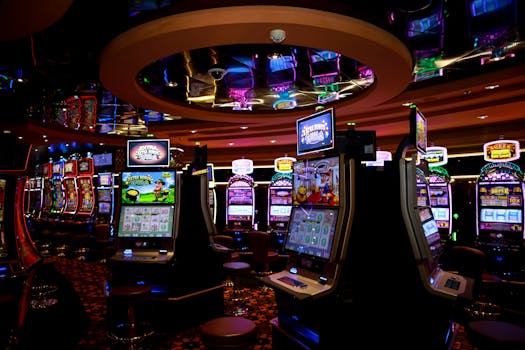
Understanding Slot Machine Addiction: Slot machine addiction manifests as an uncontrollable urge to continue gambling despite adverse consequences. The appeal of these machines is often attributed to their stimulating visuals, enticing sounds, and the prospect of immediate financial gain. These elements can lead to the release of dopamine, a neurotransmitter linked to pleasure and reward pathways in the brain, similar to the effects seen in drug addiction. This dopamine release reinforces the gambling behavior, making it highly addictive.
.png)
Main Approaches to Addressing Slot Machine Addiction:
- Psychological Interventions:
- Cognitive Behavioral Therapy (CBT): CBT assists patients in recognizing and altering detrimental thought patterns and behaviors related to gambling.
- Motivational Interviewing: This approach aims to increase an individual's motivation to change their behavior through the exploration and resolution of mixed feelings about gambling.
- Medication:
- Antidepressants and Mood Stabilizers: These may be prescribed to help manage the emotional fluctuations and compulsive behaviors tied to gambling addiction.
- Naltrexone: Commonly used in treating substance abuse, naltrexone has also been effective in addressing gambling addictions by inhibiting the brain's opioid receptors that are involved in reward and pleasure mechanisms.
- Policy and Regulation:
- Enforcement of Strict Gambling Regulations: This includes imposing limitations on the accessibility and operation of slot machines.
- Setting Gambling Limits: Policies that cap the amount of money and time spent on gambling can significantly mitigate the risk of addiction.
Comparing the Advantages and Disadvantages: Each strategy has its strengths and weaknesses. Psychological treatments are non-invasive and aim for long-term behavioral modification but require significant personal commitment and may not be effective for everyone. Medications offer quicker symptom relief but can cause side effects and do not address the root psychological triggers. Regulatory measures can prevent gambling addiction effectively but often face political and social resistance.
Practical Examples: Countries like Australia and Canada, with stringent gambling regulations, have observed a decline in gambling addiction rates. Measures such as enforced breaks during gambling sessions and loss limits have been particularly effective.
Conclusion: Addressing slot machine addiction necessitates a comprehensive approach that combines psychological therapy, appropriate medication, and rigorous policy enforcement. It is vital for affected individuals to seek professional guidance and for communities to support their recovery efforts.
For those dealing with gambling addiction or knowing someone who is, accessing professional assistance is crucial. Organizations like the National Council on Problem Gambling (Source: www.ncpgambling.org) offer valuable support and information on available treatment options.
Understanding the multifaceted nature of slot machine addiction and the diverse treatment approaches can empower affected individuals to seek necessary help and potentially conquer their addiction.