Why are Slot Machines so Addictive? A Scientific Explanation
Slot machines are a staple in casinos and various entertainment venues, drawing individuals with their flashing lights and promising sounds. However, these machines are not just innocuous sources of fun; they are intricately designed to be highly addictive. This article delves into the scientific factors that contribute to slot machine addiction, shedding light on the psychological and physiological triggers involved.
Introduction to Slot Machine Addiction
.png)
The allure of slot machines is undeniable. They offer the chance for instant gratification, entertainment, and the potential for a significant monetary reward. But what transforms a leisure activity into a potential source of addiction? The answer lies in the sophisticated combination of technology, psychology, and game design that slot machines employ to captivate players.
The Role of Random Rewards and Dopamine
At the heart of slot machine addiction is the principle of random rewards. Slot machines are programmed to dispense wins sporadically and unpredictably. This randomness plays a critical role in addiction because it stimulates the release of dopamine, a neurotransmitter linked to pleasure and reward in the brain.
When players win, even small amounts, their brain releases dopamine, creating a sense of satisfaction and euphoria. The unpredictability of these rewards keeps the player in a state of suspense and anticipation, continually pulling the lever or pressing the button in hopes of hitting another win. This mechanism is similar to the behavioral processes observed in lab experiments with animals, where animals repeated actions that were randomly rewarded.
Sensory Cues and User Experience
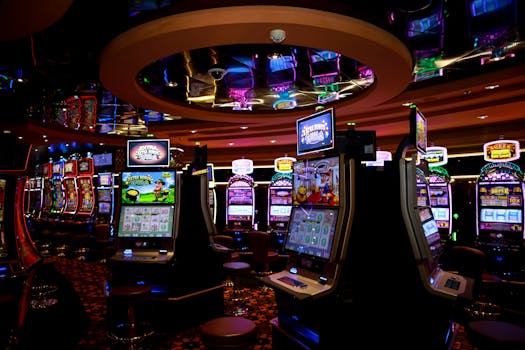
Beyond the psychological mechanics, slot machines are masterfully crafted to appeal to the senses. The bright lights and captivating sounds grab and hold attention, providing a full-blown sensory experience. The act of playing the slots involves engaging visuals and interactive elements like pressing buttons, which enhance the player's engagement and excitement. These sensory cues are not just aesthetic; they are carefully engineered to stimulate the reward centers in the brain, enhancing the addictive potential of the game.
Psychological Techniques Used in Slot Machines
Slot machines employ several psychological techniques to increase their addictive allure. One such technique is the 'near-miss' outcome, where the machine shows an almost win situation—like two out of three symbols aligning. This scenario can be as compelling as winning because it suggests the player is close to a big win, encouraging continued play.
Another common tactic is offering free trials or demo versions, which can lead players to underestimate the risk and potential expenses involved in real money games. These free versions can initiate the habit of playing and lower the initial psychological barriers to placing bets.
Practical Examples of Slot Machine Addiction
Real-world cases of slot machine addiction abound, providing stark illustrations of how devastating their effects can be. For example, individuals might start playing slots for fun, only to find themselves caught in a cycle of chasing losses and spending more money and time than they can afford. This pattern can lead to significant financial, personal, and emotional problems.
Conclusion and Call to Action
Understanding the highly addictive nature of slot machines is crucial, especially for those who frequent casinos or play online. Recognizing the early signs of gambling addiction and intervening can prevent the escalation of a gambling problem. If you or someone you know is struggling with gambling addiction, it is crucial to seek professional help and reach out to support groups.
In sum, the addictive nature of slot machines is not merely due to a lack of self-control by the player but is significantly influenced by the intentional designs of these machines. Awareness, education, and responsible gambling practices are essential in mitigating the risks associated with slot machine gambling.