Understanding the multifaceted impact of slot machines on society requires a nuanced examination of their economic, social, psychological, and cultural dimensions. This comprehensive view helps stakeholders—from policymakers to the general public—make informed decisions about the role of gambling in their communities.
Economic Contributions and Concerns
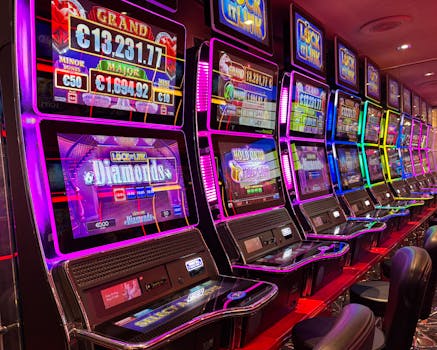
Slot machines are a major revenue generator in the gambling industry. Casinos often become pivotal in generating tax revenues that fund essential public services. For example, in regions like Las Vegas and Atlantic City, a significant portion of gambling revenues subsidize public education and healthcare services. This financial contribution can be viewed as a positive impact of slot machines on society.
.png)
However, the economic implications extend beyond revenue generation. The presence of casinos can lead to a phenomenon known as economic leakage, where local money is redirected from small businesses and community projects towards gambling establishments. Additionally, while casinos might create jobs, they can also saturate the market, potentially undermining other local employment opportunities.
Social Dynamics and Disruptions
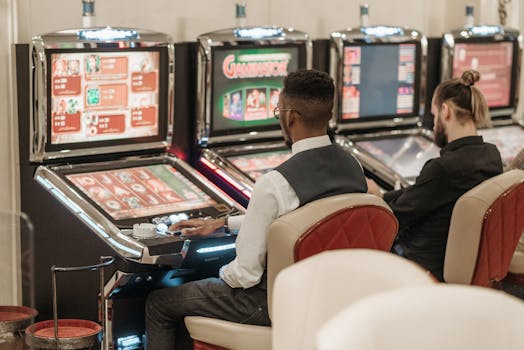
Slot machines foster a unique social environment. They not only serve as entertainment but also facilitate social interactions among players, contributing to vibrant community life in casino settings. This aspect of gambling can enhance group cohesion and provide a recreational outlet for many people.
Conversely, the addictive nature of slot machines can lead to significant social issues, such as gambling addiction. This addiction can cause severe financial instability and emotional distress, impacting familial and social relationships. The compulsive gambling habits fostered by these machines can lead to a destructive cycle of chasing losses, which is difficult to break without proper support and intervention.
Psychological Impact
The design and operation of slot machines leverage human psychology to maximize engagement and time spent playing. Features like the near-miss effect psychologically motivate players to continue gambling in the hope of achieving a win. Such mechanisms can lead to prolonged gaming sessions, where the boundary between leisure and addiction blurs.
Recognizing the signs of gambling addiction is crucial, as it is a condition that can deteriorate one’s mental health, leading to issues such as depression, anxiety, and a pervasive sense of loss of control.
Cultural Reflections and Influences
Slot machines often mirror popular cultural elements, making them appealing to a diverse audience. This integration into mainstream culture can normalize gambling behaviors and embed them into social rituals and activities, subtly shaping societal attitudes towards gambling.
Navigating Regulation and Responsibility
To mitigate the negative impacts of slot machines, stringent regulatory measures are essential. These can include setting limits on the amounts of money and time spent gambling, enforcing age restrictions, and implementing robust programs for responsible gambling. Education and awareness campaigns can also play a critical role in informing the public about the risks associated with gambling and promoting healthier entertainment alternatives.
Moving Forward
As slot machines continue to be a prominent part of the entertainment landscape, balancing their benefits and drawbacks is key. Sustainable gambling practices, supported by effective policies and community-based interventions, can ensure that the enjoyment of gambling does not turn into a harmful dependency.
By fostering a responsible gambling culture and ensuring robust regulatory frameworks, societies can enjoy the economic and social benefits of gambling while protecting individuals from its potential harms. This balanced approach is essential for maintaining the welfare of communities and ensuring that gambling remains a safe and enjoyable pastime.