Understanding the Impact of Slot Machines on Problem Gambling
Slot machines are a staple in entertainment venues worldwide, drawing players with their dazzling displays and the promise of quick payouts. However, their role in fostering problem gambling cannot be overlooked. This article delves into how slot machines contribute to gambling addiction and what can be done to mitigate their impact.
The Allure of Slot Machines
.png)
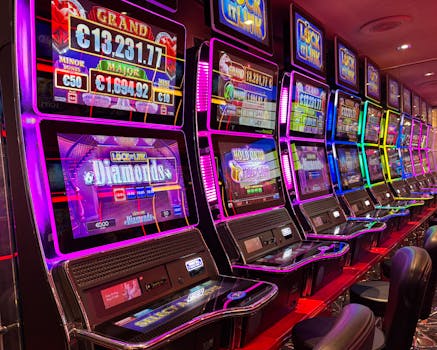
Slot machines are engineered to engage players deeply. The combination of bright lights, captivating sounds, and the potential for immediate rewards makes them incredibly appealing but also highly addictive. They offer a fast-paced gaming experience, allowing for rapid bets that can lead to a trance-like state where time and money spent can easily be lost track of.
Accessibility and Its Consequences
One of the reasons slot machines are potentially harmful is their accessibility. Located not just in casinos but also in bars and convenience stores, they provide ample opportunity for impulsive and frequent gambling. This easy availability is a significant risk factor for the development of gambling disorders.
Understanding Problem Gambling
Problem gambling is a recognized psychological condition with severe financial, social, and emotional consequences. Those affected feel a compulsive urge to gamble, unable to stop despite adverse effects. The immediate nature of slot machine payouts can intensify this urge, making it harder for gamblers to break the cycle of addiction.
Research Insights
Studies, including those from the National Center for Responsible Gaming, indicate that slot machines are among the most addictive gambling forms. The unpredictability of payouts, due to a variable ratio reinforcement schedule, encourages continued play as gamblers chase wins, often leading to problem gambling.
The Social Environment
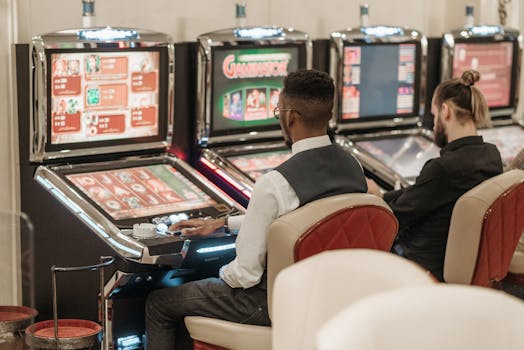
Despite often being a solitary activity, playing slot machines occurs in socially vibrant and stimulating environments. This can mask the severity of one's gambling problem. The collective excitement in these settings can also exacerbate gambling behaviors, making moderation more challenging.
Strategies for Mitigation
To combat the negative impacts of slot machines, public awareness campaigns are essential. These can educate individuals about the risks of slot machines and encourage responsible gambling practices. Regulatory measures, such as pre-commitment limits and reduced accessibility to slot machines, can also be effective.
Treatment and Support
For those struggling with gambling addiction, accessible treatment options are crucial. Cognitive-behavioral therapy (CBT) has proven effective in addressing problematic gambling behaviors. Additionally, support groups like Gamblers Anonymous play a vital role in providing community support and aiding recovery.
Conclusion
While slot machines are a popular form of entertainment, their association with problem gambling necessitates careful consideration and action. By understanding their addictive nature and implementing strategic interventions, it is possible to reduce their impact and support at-risk individuals. Balancing the enjoyment of gambling with protective measures for vulnerable players is essential for a responsible approach to this widespread activity.