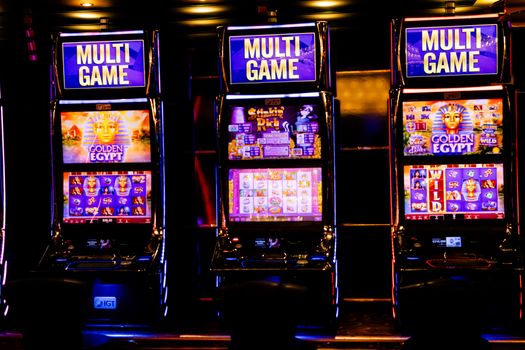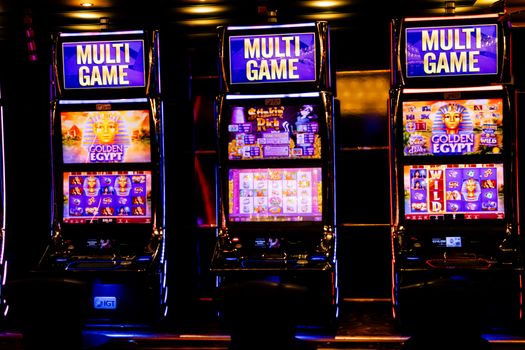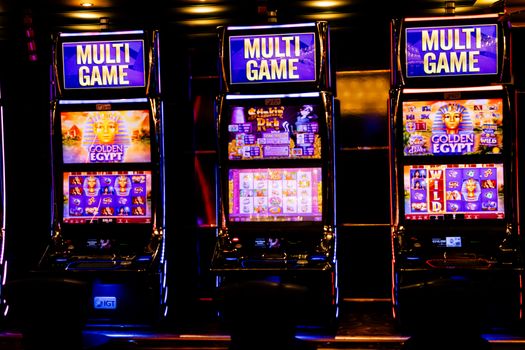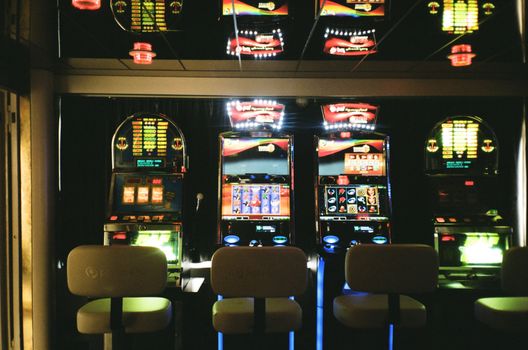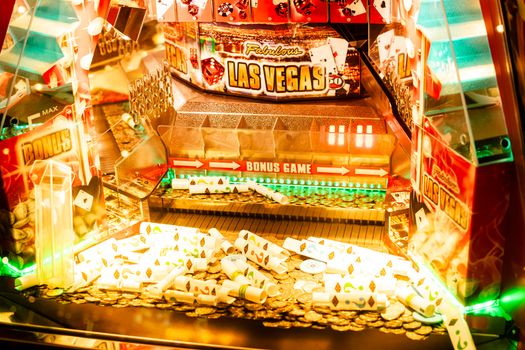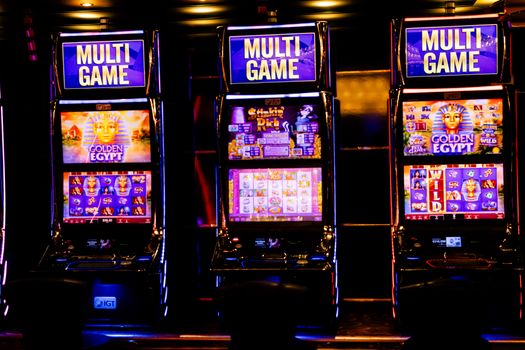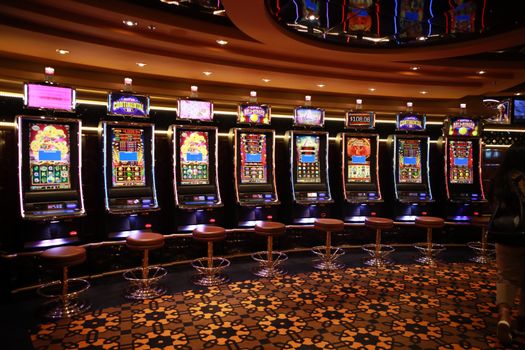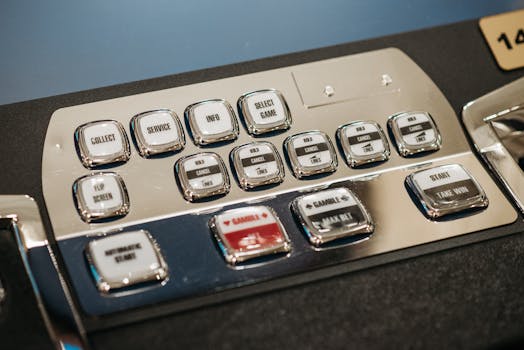
The casino floor has always been a testbed for innovation, from the earliest mechanical slot machines to today's dazzling digital displays. But as casino demographics shift and younger generations seek more engaging forms of entertainment, the industry is undergoing a transformation that could change the very nature of slot gaming. Enter skill-based slots: a new genre of machines that blend traditional chance-based play with elements of player skill. This evolution is not just a technological leap—it’s a response to changing player preferences and a glimpse into the future of gambling entertainment. In this article, we’ll explore the rise of skill-based slots, how they differ from classic machines, the technology behind them, their impact on casinos and players, and what the future may hold for this innovative hybrid.
The Shift Toward Skill-Based Slot Machines
Casinos have thrived on games of pure chance for decades, with classic slots relying on random number generators (RNGs) to determine outcomes. However, the landscape is changing. According to the American Gaming Association, millennials (ages 25-40) now make up over 35% of casino visitors, but studies show they spend 20% less on traditional slots than previous generations. Younger players, exposed to decades of video gaming, crave more interactivity and control.
Skill-based slots are designed to bridge this gap. Instead of relying solely on luck, these machines incorporate bonus rounds or game features where the player's ability can influence the outcome. Popular examples include shooting targets, solving puzzles, or playing mini arcade-style games within the slot machine interface. The more skilled the player, the higher the potential payout—though chance still plays a role.
.png)
This shift isn't just about entertainment. It’s about survival. Casino operators and slot manufacturers are betting on skill-based games to attract a younger, tech-savvy audience and drive engagement in a market where digital distractions are everywhere.
How Skill-Based Slots Differ from Traditional Slot Machines
At first glance, skill-based slots often resemble their traditional cousins, with vibrant graphics and enticing sound effects. But beneath the surface, there are fundamental differences in how these machines operate.
Traditional slot machines are governed entirely by RNGs. Every spin is independent, and no amount of skill or strategy affects the outcome. The payout percentage, known as Return to Player (RTP), is fixed and regulated. In the United States, the average RTP for traditional slots ranges from 85% to 98%, depending on jurisdiction.
Skill-based slots, on the other hand, combine elements of randomness with player skill. In these games, the base spins still rely on RNGs, but additional bonus rounds or features allow players to influence the outcome. A player’s reaction time, accuracy, or decision-making can impact how much they win during these features.
Here’s a comparison of key differences:
| Feature | Traditional Slots | Skill-Based Slots |
|---|---|---|
| Payout Determination | 100% Random (RNG) | Mix of RNG and Player Skill |
| Player Influence | None | Bonus rounds or features affected by skill |
| Target Audience | All ages, especially older demographics | Millennials, Gen Z, video gamers |
| Examples | Classic 3-reel, 5-reel video slots | Space Invaders, Danger Arena, Cannonbeard’s Treasure |
| Average RTP Range | 85%-98% | Variable, may depend on player skill |
This hybrid approach allows casinos to offer something new while still adhering to gaming regulations, as the core outcomes remain random.
The Technology Behind Skill-Based Slot Games
The introduction of skill-based slots has required significant advancements in slot machine technology. Unlike traditional slots that simply spin reels, these new machines must handle real-time player input, complex graphics, and dynamic bonus rounds.
Modern skill-based slots are powered by high-performance processors similar to those found in gaming consoles. They use touch screens, joysticks, or even motion sensors to capture player actions. For instance, in Scientific Games’ “Space Invaders” skill-based slot, players use a joystick to shoot aliens in a bonus round reminiscent of the classic arcade game.
Manufacturers must carefully balance the skill and chance elements to comply with strict gaming regulations. In many jurisdictions, the base game must still be random, but the bonus features can reward skilled play with higher payouts. Regulatory bodies such as the Nevada Gaming Control Board have established guidelines to ensure fairness and transparency.
Developers also employ sophisticated analytics to track player interaction and ensure the skill elements are neither too easy nor too difficult. According to a 2022 report by Eilers & Krejcik Gaming, skill-based slots account for less than 5% of total casino floor space in the U.S. but are growing steadily, with over 1000 machines installed nationwide.
Player Experience: Engagement and Strategy
One of the main attractions of skill-based slots is the increased level of engagement. Instead of passively watching reels spin, players are active participants, making rapid decisions and testing their reflexes. This interactivity taps into the same motivations that have driven video game popularity for decades: mastery, competition, and personal achievement.
Skill-based slots often feature leaderboards, achievements, and social sharing options. For example, Gamblit Gaming’s “Cannonbeard’s Treasure” allows up to four players to compete against each other for the highest score, bringing a social and competitive edge rarely seen in traditional slot play.
The strategic element is especially appealing to players who feel they can influence the outcome. While luck still determines the initial opportunity to enter a bonus round, skill can mean the difference between a modest win and a jackpot. This sense of agency is a key selling point for younger players accustomed to interactive entertainment.
However, it’s important to note that no amount of skill can guarantee a win, as the base game remains random. The house edge is preserved, but players enjoy a more immersive and rewarding experience.
Impact on Casinos and the Gaming Industry
The adoption of skill-based slots presents both opportunities and challenges for casinos. On the positive side, these machines attract a new demographic and can increase time-on-device—a key metric for casino profitability. According to a 2023 survey by the Association of Gaming Equipment Manufacturers, casinos with skill-based slots reported a 15% increase in average session length among players aged 21-35.
Skill-based slots also allow casinos to differentiate themselves in a crowded market. By offering unique games that blend gambling with entertainment, operators can stand out and create buzz.
However, the rollout has not been without hurdles. Some players find the skill components confusing or intimidating, especially if they are accustomed to traditional slots. Others may feel discouraged if they perceive the skill element as too challenging or believe that only expert players can win significant prizes.
Regulatory approval can also slow adoption. Gaming authorities must ensure that skill-based slots remain fair and do not mislead players about their chances. This has led to strict testing protocols and requirements for clear communication about how the games work.
Despite these challenges, industry experts predict continued growth. By 2025, the global market for skill-based gaming machines is projected to reach $3 billion, according to Global Market Insights.
The Future of Skill-Based Slot Innovation
Skill-based slots are still in the early stages of adoption, but their influence is already reshaping the casino experience. As technology evolves, we can expect even more sophisticated games that blur the line between gambling and interactive entertainment.
Virtual reality (VR) and augmented reality (AR) are poised to play a major role, offering fully immersive slot experiences where players can physically interact with game elements. Mobile integration will also become more common, allowing players to practice or compete for rewards outside the casino floor.
Moreover, as data analytics and artificial intelligence become more advanced, skill-based slot games will be able to tailor challenges to individual players, ensuring the experience remains engaging for both novices and experts.
Casinos that embrace these innovations will be well positioned to attract and retain a diverse player base, while manufacturers will continue to push the boundaries of what slot machines can be.
Final Thoughts on the Evolution of Slot Machines
Innovation in slot machines is not just about flashy graphics or bigger jackpots—it’s about creating experiences that resonate with today’s players. Skill-based slots represent a bold step forward, combining the thrill of chance with the satisfaction of personal achievement. While challenges remain in terms of regulation and player education, the momentum behind these games is undeniable.
As casinos continue to evolve, players can look forward to a future where gambling is not just a test of luck, but a showcase of skill, strategy, and entertainment. Whether you’re a casual player or a gaming enthusiast, skill-based slots offer a new way to engage with one of the world’s most enduring forms of entertainment.