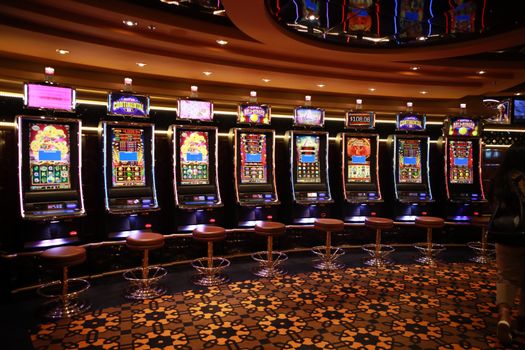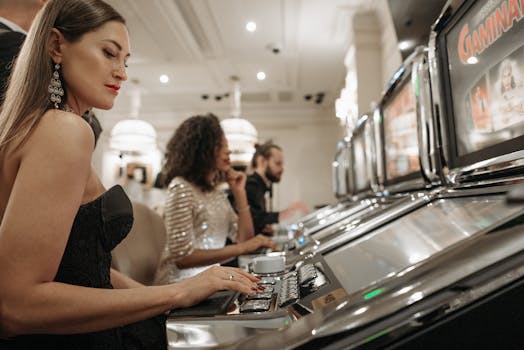
Slot machines are the heartbeat of casinos, both online and off. Their bright lights, catchy sounds, and promise of instant riches have captivated millions for decades. But beneath that glittering surface lies a world filled with misconceptions, half-truths, and outright myths. Many gamblers walk up to a slot machine believing they have a fighting chance or a clever system, not realizing that the real secrets of these games are carefully hidden by the industry. In this article, we’ll pull back the curtain and unveil the myths: what slot machines don't want you to know. If you want to understand the real mechanics, odds, and psychology behind slot machines—and avoid costly mistakes—read on.
The Illusion of Near Misses: How Slot Machines Tease the Brain
One of the most persistent myths about slot machines is that a near miss means you’re "almost due" for a big win. In reality, this is an illusion carefully crafted by slot designers to keep players hooked.
Slot machines use a Random Number Generator (RNG) to determine each outcome, meaning every spin is entirely independent of the last. However, modern slots often display near-miss results—symbols that almost line up for a jackpot. This visual trick taps into a psychological phenomenon known as "losses disguised as wins."
.png)
According to a 2017 study published in the Journal of Gambling Studies, slot players who experience frequent near misses are more likely to continue playing, even when losing money. In fact, researchers found that near-miss outcomes can increase player engagement by up to 30%. Slot machines exploit this by programming near-misses to occur at a higher rate than actual wins.
So, the next time you see two jackpot symbols and a third just above or below the payline, remember: it’s not a sign you’re close to winning, but a calculated tactic to encourage you to keep playing.
Return to Player (RTP) and House Edge: The Numbers Behind the Reels
Many players believe that all slot machines offer roughly the same chances of winning. This is far from true. The odds of any slot machine are dictated by its Return to Player (RTP) percentage and its house edge—two terms that are often misunderstood.
RTP is the percentage of all wagered money a slot machine will pay back to players over time. For instance, if a slot has an RTP of 96%, it means that, on average, it will pay out $96 for every $100 wagered—over tens of thousands of spins. The remaining 4% is the house edge: the built-in advantage the casino has over the player.
Here is a comparison of typical RTP values for different types of slot machines:
| Slot Machine Type | Average RTP (%) | House Edge (%) |
|---|---|---|
| Online Video Slots | 95 - 98 | 2 - 5 |
| Land-Based Slots (Vegas) | 85 - 94 | 6 - 15 |
| Progressive Jackpot Slots | 88 - 92 | 8 - 12 |
| Penny Slots | 85 - 89 | 11 - 15 |
As you can see, online slots tend to offer a better RTP than their land-based counterparts. Penny slots, which are popular for their low bets, often have the worst odds. Casinos rarely publicize these numbers, and most players never check them—giving the house a silent but significant edge.
The Truth About Hot and Cold Machines
Another common myth is the idea that some slot machines are "hot" (ready to pay out) and others are "cold" (unlikely to pay out). This belief is so prevalent that entire casino strategies are built around finding hot machines. In reality, this concept is a fallacy.
Because every spin is determined by the RNG, previous results have no influence on future outcomes. The odds are the same for every spin, regardless of whether a machine has just paid out a jackpot or hasn’t paid anything for hours.
The Nevada Gaming Control Board confirmed in a 2022 report that slot machines are required to operate independently, with no "memory" of past results. This regulation ensures that the hot/cold myth is just that—a myth. The randomness is absolute, ensuring fairness but also making it impossible to predict when a win will occur.
How Denominations and Bet Sizes Affect Your Payouts
Not all slot machines are created equal, especially when it comes to denominations and bet sizes. Many players assume they can win big from any machine, regardless of how much they wager. The truth is, the denomination of the slot (penny, nickel, quarter, dollar, etc.) can have a significant impact on your expected return.
A 2020 study by the American Gaming Association found that higher denomination slots (such as $1 machines) typically offer better RTP percentages than lower denomination slots (like penny machines). For example, a $1 slot might have an RTP of 96%, while a penny slot might offer as little as 85%.
Why does this matter? Over time, playing lower denomination slots can cost you more, even though each bet is smaller. High-roller machines tend to reward players with better odds, but require larger bets. This is one of the best-kept secrets in the casino industry—one that slot machines certainly don’t advertise.
The Role of Slot Machine Volatility: Risk vs. Reward
Slot machine volatility, also known as variance, refers to how often and how much a slot pays out. Slots with high volatility deliver larger jackpots but less frequently, while low-volatility slots pay out smaller amounts more often.
Casinos rarely provide detailed information about a machine’s volatility, leaving players to guess. Yet, understanding this concept can make a big difference in your gaming experience:
- High volatility slots are best for players with bigger bankrolls chasing large wins. However, these machines can go long stretches without paying out. - Low volatility slots are ideal for those seeking frequent, smaller wins and longer playtime.According to a survey by Casino.org, over 60% of slot players could not accurately describe what volatility means, even though it greatly affects their chances of walking away a winner.
Psychological Tricks: How Slot Machines Keep You Playing
Slot machines aren’t just games of chance—they’re carefully engineered experiences designed to maximize play time and profit. Here’s how they do it:
1. $1 The combination of flashing lights, upbeat music, and celebratory jingles after every win (no matter how small) create a sense of excitement and reward. 2. $1 Many machines are programmed to make losing spins feel like victories. For example, a player might bet $1, win back $0.30, and still be treated to a burst of lights and sounds. Studies show this trick increases play time and encourages riskier betting. 3. $1 Slot machines pay out on a variable ratio schedule, the same system used in psychological experiments to reinforce animal behavior. This unpredictable pattern of rewards is highly addictive, keeping players glued to the machine in hopes of the next big win. 4. $1 As discussed above, near-misses are deliberately engineered to create a sense of being "almost there," which motivates continued play.The end result? According to the National Council on Problem Gambling, slot machines have the highest rate of addiction among all forms of gambling, with up to 15% of regular players developing problematic habits.
Final Insights: Protecting Yourself from Slot Machine Myths
Slot machines are designed to entertain—but also to generate consistent profit for casinos. The myths and misconceptions surrounding these games persist because they benefit the house, not the player. By understanding how slot machines truly work, what the odds really are, and how psychology is used to keep you playing, you can make smarter, more informed decisions.
Remember: there is no secret system to beat the slots, no hot or cold machines to find, and no way to predict when a win will come. The best defense is knowledge, a set budget, and the understanding that playing slots should be seen as entertainment, not a path to riches.
If you’re tempted by the bright lights and ringing bells, now you know what’s really happening behind the scenes—and you can play smarter as a result.