As the digital age progresses, the allure of slot machines in casinos continues to grow, significantly fueled by advancements in graphic technology. From their rudimentary beginnings to the dazzling displays seen today, slot machines have undergone a remarkable transformation, largely due to the evolution of graphics. This shift not only redefines the aesthetic appeal of these machines but also plays a pivotal role in attracting and retaining players. Here, we delve into how high-tech graphics have revolutionized slot machines, impacting both player engagement and the operational dynamics of casinos.
The Evolution of Slot Machine Graphics
Originally mechanical in nature, slot machines have transitioned to digital platforms that boast intricate graphical interfaces. The shift began with the introduction of video slots in the late 20th century, which replaced traditional mechanical reels with graphical representations on screens. This marked the beginning of an era where the visual aspect of slot machines became as crucial as the gameplay itself.
.png)
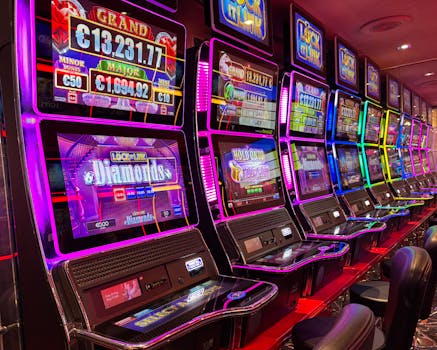
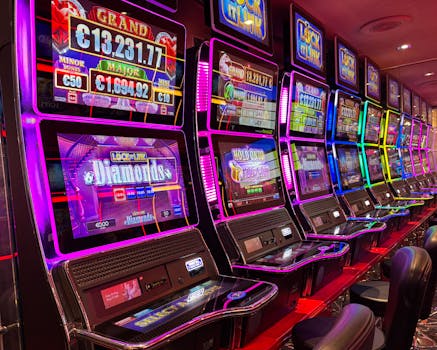
Modern slot machines now feature high-resolution, 3D graphics and animations that engage players in ways unimaginable decades ago. These advancements are not merely aesthetic; they are strategic, designed to enhance user experience and maintain player interest over longer periods.
The Role of High-Tech Graphics in Player Attraction
High-tech graphics in slot machines serve multiple critical functions:
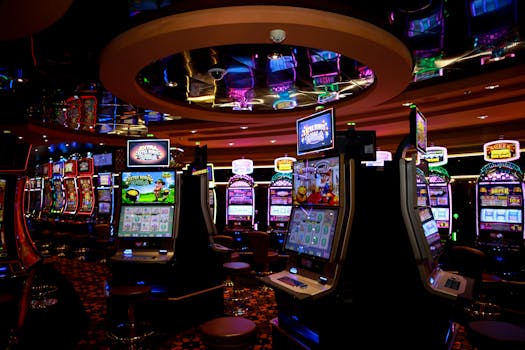
- Visual Appeal: Vibrant graphics and animations make machines more eye-catching, helping them stand out in the competitive casino environment.
- Enhanced Storytelling: Many modern slot machines offer themes that are enriched with detailed graphics, helping to narrate a story or depict a character, thereby deepening player engagement.
- Dynamic Gameplay: Advanced graphics facilitate animated sequences and interactive bonus rounds, making the gameplay more exciting and potentially more rewarding.
Psychological Impact of Advanced Graphics
The influence of high-tech graphics extends into the psychological realm, subtly affecting player behavior and emotions. Bright colors and flashing lights are known to stimulate excitement, potentially encouraging players to extend their session durations. Moreover, the immersive quality of 3D graphics can make players feel more integrated into the gameplay, enhancing their overall experience.
Casinos also strategically use graphics to amplify the perceived possibility of winning, with large displays of symbols and numbers that may exaggerate the odds of substantial payouts, motivating continued play.
Challenges and Considerations
Despite their benefits, the integration of high-tech graphics into slot machines is not without challenges:
- Cost: Developing and maintaining advanced graphics is costly due to the need for sophisticated hardware and software.
- Sensory Overload: There is a fine line between engaging and overwhelming; excessively vibrant or complex graphics can lead to sensory overload, detracting from the player's experience.
Conclusion
The integration of advanced graphics into slot machines has undoubtedly revolutionized the casino experience, making it more engaging and visually appealing. These enhancements are crucial in attracting a modern audience, who often seek dynamic and immersive entertainment options. However, casino operators must carefully balance investment and potential sensory pitfalls to ensure a profitable yet player-friendly gaming environment. By doing so, they can maximize the advantages of high-tech graphics while providing an enjoyable and engaging experience for all players.