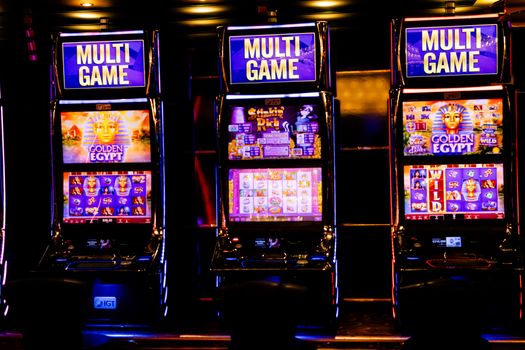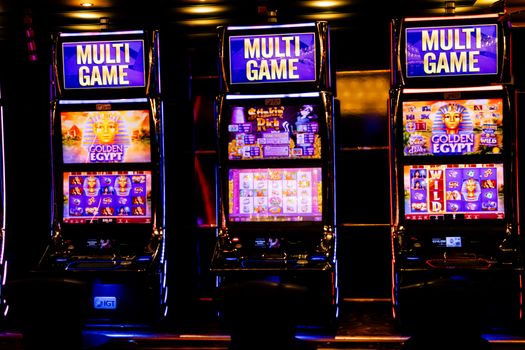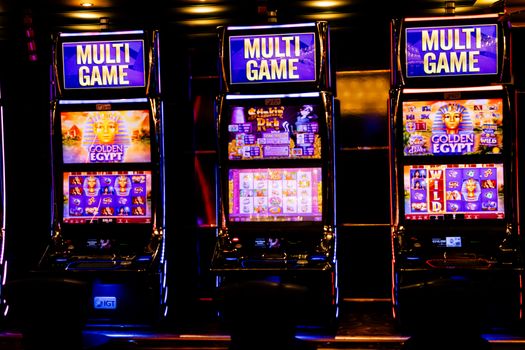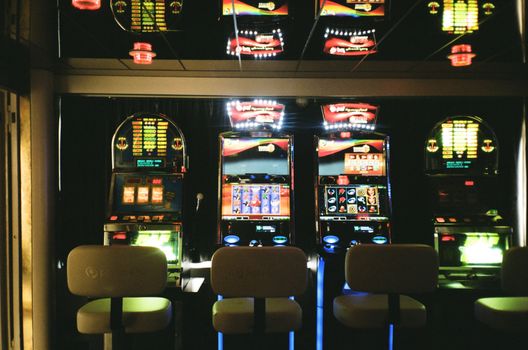
Slot machines are a fixture in casinos worldwide, from the dazzling floors of Las Vegas to the digital screens of online gaming sites. Their allure is undeniable: flashing lights, captivating sounds, and the ever-present hope of a life-changing jackpot keep millions of people spinning the reels every day. But beneath the surface, slot machines are expertly engineered to capture our attention and keep us playing. In this article, we’ll explore the fascinating psychology behind slot machine design—revealing how these games are crafted to trigger our brains, influence our choices, and sustain our engagement far longer than we may realize.
The Science of Random Rewards: Variable Ratio Reinforcement
At the heart of slot machine psychology is the concept of variable ratio reinforcement—a principle rooted in behavioral psychology. This concept was first explored by B.F. Skinner in the mid-20th century, who discovered that animals (and humans) are most motivated to repeat an action when rewards are given unpredictably.
Slot machines harness this effect by using a Random Number Generator (RNG) to determine outcomes. Each spin is independent, and wins are delivered on a schedule that feels random to the player. This unpredictability is powerful: according to a 2017 study by the University of British Columbia, variable rewards keep players engaged for longer periods compared to predictable or fixed rewards.
.png)
For example, a player might spin 15 times without a win, then suddenly hit a modest payout, keeping hope alive for the next big win. This “maybe next time” feeling is what drives players to continue spinning, even in the face of consistent losses.
Multisensory Stimulation: Lights, Sounds, and Animation
Slot machines are sensory masterpieces. The combination of flashing lights, vibrant colors, and upbeat music is not just for show—it’s a carefully curated experience designed to maximize excitement and engagement.
According to a 2016 study by Dr. Mike Dixon at the University of Waterloo, players’ arousal levels (measured by heart rate and skin conductance) spike with every win, no matter how small. The celebratory sounds and animations reinforce the reward mechanism in our brains, making even minor wins feel significant.
Slot designers experiment with over 400 different sound cues and hundreds of color palettes to find the perfect combinations. Some machines even use subtle vibrations in the buttons or seats to amplify the sensation of winning. This multisensory stimulation works together to keep players in a heightened state of anticipation and enjoyment.
Near Misses: The Illusion of Almost Winning
One of the most influential tricks in slot machine design is the “near miss.” This occurs when symbols on the reels stop just short of a winning combination—such as two jackpot symbols lining up with a third just above or below the payline.
Psychologically, near misses are powerful motivators. Research published in the journal Nature Neuroscience found that near misses stimulate the same brain regions as actual wins, particularly the striatum, which is involved in reward processing. This leads players to believe they are “so close” to winning and encourages continued play, even though each spin is statistically independent.
A 2010 study by Clark et al. found that players exposed to frequent near misses spent 30% more time at the machine compared to those playing machines without near miss scenarios. This demonstrates how the illusion of “almost winning” can be as compelling as the real thing.
Betting Options and Illusions of Control
Modern slot machines offer players a dizzying array of betting options: multiple paylines, bonus rounds, and adjustable bet sizes. This variety is not just about player choice—it’s about creating an illusion of control.
Gamblers often believe that by changing their betting strategy, they can influence the outcome, even though every spin is governed by the RNG. This phenomenon, called the “illusion of control,” is well-documented in psychological research. A 2012 study published in the Journal of Gambling Studies revealed that players betting on multiple paylines felt more in control and more optimistic about winning, despite no statistical difference in their odds.
This sense of agency keeps players invested and hopeful, reinforcing the urge to “try just one more spin” with a different strategy. In reality, the house edge remains unchanged, and the outcome is always random.
Time Distortion and the “Zone” State
Ask frequent slot players about their experience, and many will describe losing track of time altogether. This phenomenon, often referred to as the “slot machine zone,” is a state of deep focus and immersion where external distractions fade away.
Casino environments are intentionally designed to facilitate this state. There are rarely windows or clocks on casino floors, and comfortable seating encourages extended play. Studies have shown that players in the “zone” can underestimate the time spent gambling by as much as 50%. A 2013 survey by the National Council on Problem Gambling found that 42% of frequent slot players reported losing track of time while playing.
Online slot games replicate these effects with autoplay features, seamless transitions between games, and instant feedback—all designed to draw players into the flow state where time becomes irrelevant.
Comparing Slot Machine Features: Classic vs. Modern Designs
Slot machines have evolved dramatically over the years, but the psychological principles behind their design remain constant. The table below compares classic slot machines to modern video slots, highlighting key differences in design and psychological impact:
| Feature | Classic Slot Machines | Modern Video Slots |
|---|---|---|
| Number of Reels | 3 mechanical reels | 5+ digital reels |
| Paylines | 1 to 5 fixed lines | Up to 100+ adjustable lines |
| Sound and Animation | Simple bells and chimes | Complex soundtracks, 3D animation |
| Bonus Features | Rare or none | Multiple bonus rounds, mini-games |
| Near Misses | Occasional, limited by mechanics | Frequent, algorithmically controlled |
| Player Engagement | Lower, focused on straightforward play | Higher, with immersive experience and variety |
Why Understanding Slot Machine Psychology Matters
Recognizing the psychological strategies embedded in slot machine design is crucial for anyone who chooses to play. While these machines are built to entertain, they are also engineered to maximize time and money spent. The combination of unpredictable rewards, sensory excitement, near misses, and illusions of control can make it incredibly difficult to walk away.
In the United States alone, slot machines generated over $34 billion in gross gaming revenue in 2022, accounting for nearly 70% of casino earnings according to the American Gaming Association. Understanding the psychological levers at play helps individuals make more informed choices, set limits, and avoid the pitfalls of excessive gambling.
For those who enjoy the thrill of the game, being aware of these design tactics can enhance enjoyment while maintaining control. For those at risk of problem gambling, this knowledge can be a first step toward recognizing the signs and seeking help.