Slot Machines and Addiction: Understanding the Risk Factors
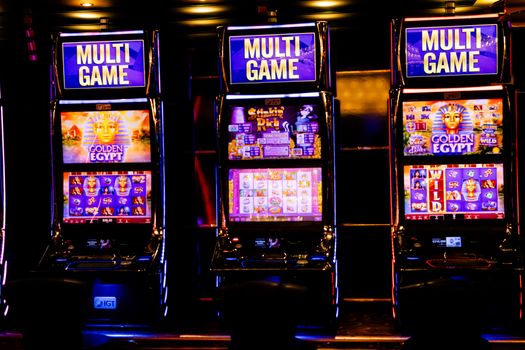
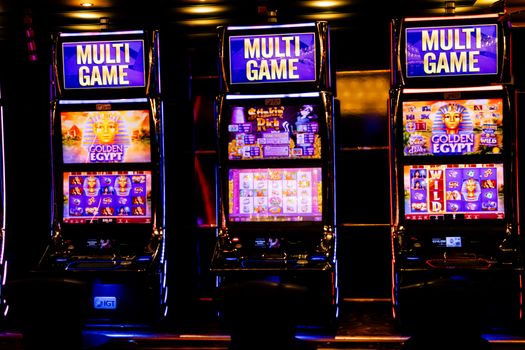
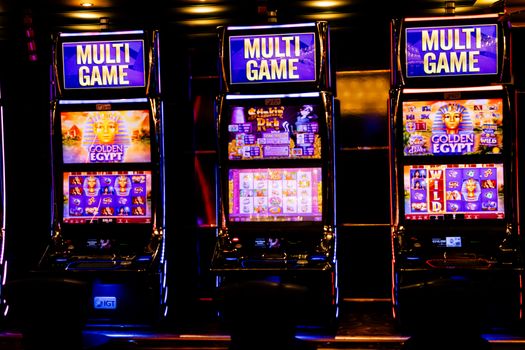
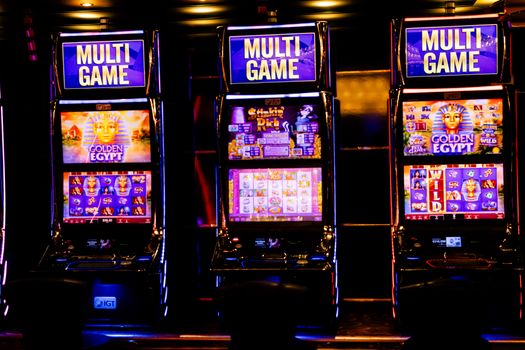
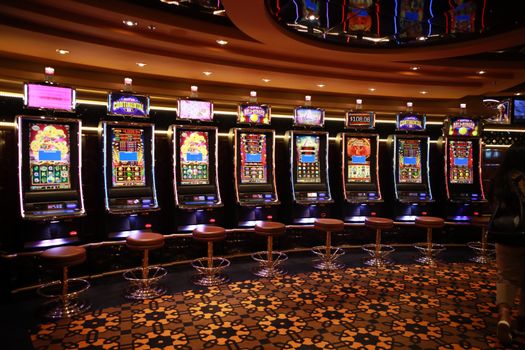
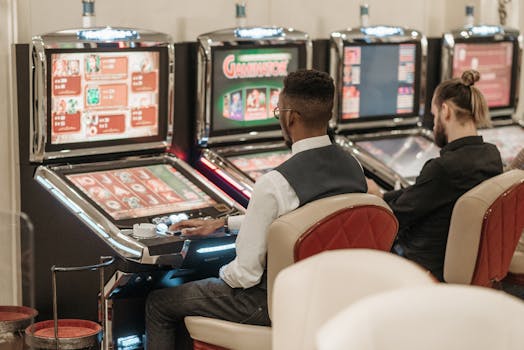
Slot machines are often described as the heartbeat of the casino floor, their flashing lights and ringing bells drawing in millions of players every year. But beneath their colorful exterior lies a more serious consideration: the risk of addiction. Slot machines have long been associated with problem gambling, and understanding the factors that make these games particularly addictive is crucial for players, families, and policymakers. In this article, we’ll explore the psychological and environmental factors that contribute to slot machine addiction, examine who is most at risk, and look at what can be done to mitigate these dangers.
The Allure of Slot Machines: More Than Just Luck
Slot machines are designed to be captivating. From their inception in the late 19th century to today’s sophisticated digital games, their evolution has been driven by a single goal: to maximize player engagement. One of the most striking facts is that slot machines account for up to 70% of casino revenue in many jurisdictions, according to a 2022 report by the American Gaming Association. This dominance is no accident.
Their appeal lies in several key features: - Immediate rewards: Wins are paid out instantly, reinforcing behavior. - High frequency of play: Rounds are fast, often taking just seconds. - Sensory stimulation: Bright lights, catchy music, and immersive graphics. - Intermittent reinforcement: Wins come unpredictably, making play exciting and compelling.Psychologists have found that this combination of features can trigger the brain’s reward system in powerful ways, sometimes leading to compulsive playing. Research shows that slot machines can produce “losses disguised as wins,” where the player technically loses money but receives the same celebratory feedback as with a real win. This keeps players engaged and can foster distorted thinking about their chances.
.png)
Understanding the Risk Factors for Slot Machine Addiction
The risk of becoming addicted to slot machines isn't evenly distributed. Certain factors increase vulnerability, and understanding these can help in prevention and intervention.
1. Psychological Vulnerabilities: - People with underlying mental health issues such as depression, anxiety, or impulse-control disorders are at greater risk. - A 2019 study in the journal Addictive Behaviors found that individuals with depressive symptoms were 2.5 times more likely to develop gambling problems. 2. Demographic Factors: - Age: Young adults and seniors are both at higher risk. Seniors may turn to slots for social interaction, while young adults are drawn to technology and instant gratification. - Gender: Historically, men have been more likely to develop gambling problems, but the gap is narrowing, especially with the rise of online slots. 3. Environmental Influences: - Accessibility: The easier it is to access slot machines (including online versions), the higher the risk. Some jurisdictions report a 30% increase in problem gambling rates after the introduction of slot machines into new venues. - Social Isolation: Individuals who are socially isolated or lonely are more likely to engage in repetitive slot play. 4. Game Design: - Multi-line betting and near-miss features are engineered to maximize engagement and can increase time and money spent on the game.How Slot Machines Affect the Brain: The Science of Addiction
Slot machines tap into fundamental neurological processes. When a player spins the reels, their brain releases dopamine, a neurotransmitter associated with pleasure and reward. This occurs not just when players win, but also in anticipation of a win or even during a near-miss.
Dr. Natasha Dow Schüll, author of "Addiction by Design," describes how slot machines create a psychological state known as “the zone.” In this state, players lose track of time and external concerns, focusing solely on the game. This can lead to significant losses before the player even realizes what has happened.
A 2017 study published in the journal Neuron discovered that the brain’s reward pathways are activated not only by wins but by the unpredictability of outcomes. This variable reinforcement schedule, which is central to slot machine design, is the same principle used in behavioral experiments to induce persistent behavior in animals.
Comparing Slot Machine Addiction to Other Forms of Gambling
Not all gambling activities carry the same risk of addiction. Slot machines are widely recognized as one of the most addictive forms of gambling due to their structural characteristics. Below is a comparison table showing key differences between slot machines and other gambling forms, based on data from the National Council on Problem Gambling and academic studies:
| Gambling Type | Average Play Frequency | Time to Problem Behavior | Addiction Prevalence (%) |
|---|---|---|---|
| Slot Machines | Every 3-5 seconds | 1-2 years | 8-10% |
| Sports Betting | 1-2 times per week | 3-5 years | 2-3% |
| Poker | 1-3 times per week | 5+ years | 1-2% |
| Lottery | 1-2 times per week | 5+ years | <1% |
As shown, slot machines not only offer the highest play frequency but also lead to problem behavior much faster than other forms of gambling.
Warning Signs and Consequences of Slot Machine Addiction
Recognizing the warning signs of slot machine addiction can help mitigate its impact. Common early warning signs include: - Increasing the amount of time or money spent playing - Chasing losses (trying to win back money lost) - Lying about gambling habits or hiding play from friends and family - Neglecting work, school, or family responsibilities - Mood swings or irritability when not playing The consequences of slot machine addiction can be severe: - Financial: A 2020 survey by Gamblers Anonymous found the average debt of a problem slot machine player was $38,000. - Emotional: High rates of depression, anxiety, and even suicidal thoughts are reported among those with gambling addiction. - Social: Relationships often suffer, with higher rates of divorce and family conflict.Prevention and Responsible Gambling Strategies
While the risks are significant, there are strategies to reduce the likelihood of developing a slot machine addiction.
1. Setting Limits: Many casinos and online platforms now offer tools to set deposit, loss, and playtime limits. 2. Self-Exclusion: Players can voluntarily ban themselves from gambling venues or websites. 3. Education: Public awareness campaigns and school-based education about gambling risks are proven to reduce the incidence of problem gambling. 4. Support Services: Access to counseling, hotlines, and peer support groups like Gamblers Anonymous can make a big difference. 5. Regulation: Some jurisdictions require slot machines to include warning messages, transparent payout information, and slower play speeds.A notable example: In Norway, after implementing mandatory player cards and maximum loss limits on slot machines, problem gambling rates dropped by over 40% between 2007 and 2015.
The Role of Technology in Slot Machine Addiction
Technology has made slot machines more accessible than ever before. With the rise of online casinos and mobile gaming, players can now access thousands of slot games from their smartphones—a convenience that also increases risk.
According to a 2023 report by the UK Gambling Commission, the number of online slot players in the UK grew by 22% between 2020 and 2022. Online slots often lack the natural stopping cues of physical casinos, such as closing times or the need to travel home. Features like autoplay and endless bonus rounds can keep players engaged for far longer.
On the positive side, technology also offers potential solutions: - Real-time monitoring of player behavior for signs of addiction - Automated alerts or intervention prompts when risky patterns are detected - Digital self-exclusion tools and spending limit controlsHowever, the rapid evolution of online gambling means regulators and support organizations must stay vigilant and adapt quickly to new risks.
Reducing Harm: What Can Be Done?
Reducing the harm caused by slot machine addiction requires a combined effort from individuals, families, the gambling industry, and regulators. Here are some effective approaches:
- Casino and Online Operator Responsibility: Regular staff training on recognizing problem gambling, offering in-house support, and mandatory breaks or pop-up reminders during extended play. - Stronger Regulation: Enforcing limits on bet sizes, speed of play, and stricter age verification to prevent underage gambling. - Research and Data Sharing: Ongoing research into effective harm reduction strategies, with open sharing of data between regulators, healthcare providers, and the gaming industry. - Community Support: Encouraging family members and friends to talk openly about gambling, and to seek help early if warning signs appear.Ultimately, the goal is not to eliminate slot machines—which provide entertainment to millions—but to ensure that those at risk of addiction are protected and supported.
Key Takeaways on Slot Machines and Addiction
Slot machines are uniquely designed to engage players, but that engagement carries inherent risks—especially for those already vulnerable to addiction. With fast play, unpredictable rewards, and constant sensory stimulation, slot machines can quickly lead some players down a path to compulsive gambling.
Understanding the risk factors—psychological, demographic, environmental, and design-related—can help individuals make informed decisions about their play. Prevention strategies, responsible gambling tools, and access to support services are all essential in reducing harm. As technology continues to reshape the gambling landscape, vigilance and innovation will be key to keeping players safe.