The Art and Science of Crafting Slot Machines
Slot machines are more than just popular casino fixtures; they're the result of intricate design and engineering processes that blend creativity with cutting-edge technology. Understanding how these captivating devices are made reveals a lot about the evolution of gaming and entertainment technology.
- Concept and Design
The creation of a slot machine begins with the conceptualization phase, where game designers and engineers brainstorm themes and gameplay mechanics. Whether it’s a journey through ancient Egypt or a venture into outer space, the theme must captivate while aligning with gameplay mechanics. This stage is crucial for setting the groundwork for all subsequent design and development efforts.
.png)
- Digital Artwork and Animation
Once a theme is selected, graphic designers and animators take the lead. Using sophisticated design software, they create the digital landscapes, symbols, and characters that will fill the game’s interface. This visual content is not only about aesthetics but also plays a vital role in player engagement and retention.
- Software Development
Concurrently, software developers start programming the game. This involves writing code for the game logic, including the betting system, game progression, and outcomes. Central to this process is the development of a Random Number Generator (RNG), which ensures that the game's results are fair and unpredictable. The software must adhere to strict regulatory standards that govern fairness and randomness, undergoing multiple tests to ensure compliance.
- Building the Cabinet
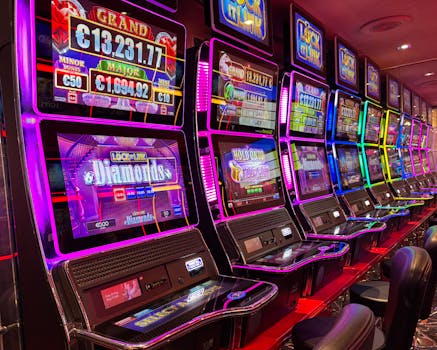
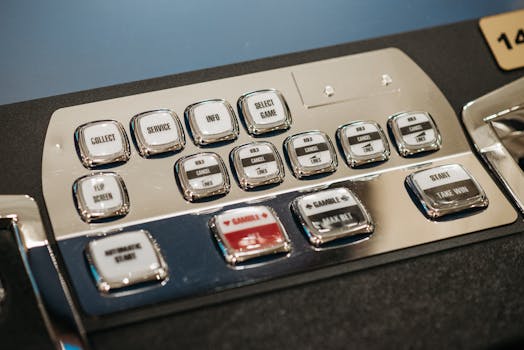
With digital components in development, the physical assembly begins. The cabinet, or the slot machine’s exterior, is designed to be durable and visually appealing. It must also be ergonomic, ensuring player comfort during game sessions. The cabinet houses critical hardware, including the game’s CPU and various transaction systems like bill validators and coin acceptors.
- Integration and Testing
After assembling the hardware, it’s time to integrate the software. This stage involves syncing the game’s digital elements with its physical components, followed by comprehensive testing. This testing phase checks everything from the graphics and user interface to the transaction mechanisms and overall game performance.
- Quality Assurance
Before leaving the factory, each slot machine undergoes a rigorous quality assurance check. This ensures that every machine meets the required operational and regulatory standards without any defects. Only machines that pass these stringent tests are cleared for shipping to casinos worldwide.
- Installation and Final Testing
Upon arrival at their destinations, slot machines are tested once more to ensure they were not compromised during shipping. They undergo final checks before being installed on the casino floor, where they will be ready to provide entertainment and excitement to players.
Conclusion: A Blend of Art and Engineering The making of a slot machine is a detailed process that involves a blend of artistic creativity and precise engineering. Each step, from design to final testing, is crucial to ensuring that the end product is not only engaging and beautiful but also operates with fairness and integrity. As technology evolves, so too will the processes behind these beloved devices, promising even more immersive and thrilling gaming experiences in the years to come.