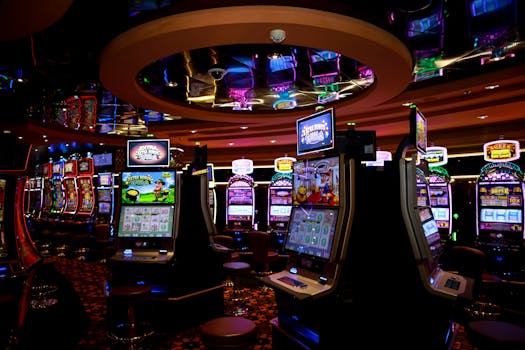
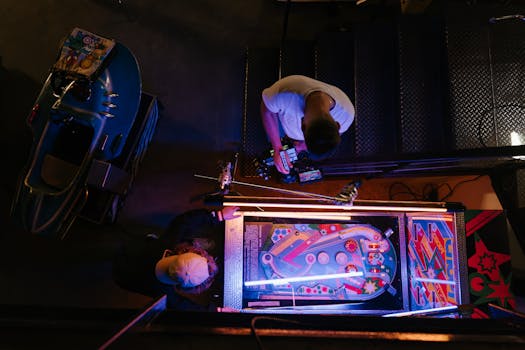
Slot machines, the dazzling stars of many casinos, are engineered to maximize player engagement and time spent at the machine. This is not merely a result of their mechanical design or the lure of financial reward; rather, it's deeply rooted in the principles of psychology. These machines leverage basic human behaviors and biases to hook players, making them a fascinating study in consumer psychology.
Variable Ratio Reinforcement Schedules
One of the core principles slot machines exploit is the variable ratio reinforcement schedule, a concept from behavioral psychology. This type of reinforcement awards a response at unpredictable intervals, which significantly enhances its effect. For slot machine players, this means payouts occur at random, and the unpredictability keeps the dopamine flowing, increasing the allure and stickiness of the game. Unlike a paycheck that arrives at set intervals (fixed-ratio schedule), the erratic nature of slot machine payouts maintains suspense and engagement, urging the player to keep pushing the button in hopes of another win.
.png)
Near-Miss Effect
The near-miss effect is another psychological tactic used by slot machines. These are scenarios where the outcome is close to a win, but no actual reward is given. Psychologically, near-misses are almost as stimulating as wins because they trigger arousal, promoting continued play. Players perceive these near-wins as evidence that a real win is imminent, encouraging them to keep playing. This effect is so powerful that it activates similar brain areas that actual wins do, blurring the line between winning and almost winning in the player’s perception.
Sensory Cues and Ambiance
The physical features of slot machines—bright lights, captivating sounds, and vibrant colors—are specifically designed to grab and hold attention. Each win is celebrated with flashing lights and victorious sounds, enhancing the pleasure of the reward. This multi-sensory experience can be so absorbing that players lose track of time, a phenomenon casinos refer to as 'time on device.' This immersive environment is crucial not just for player enjoyment but for casino profits.
Illusion of Control
Slot machines also cleverly give players the illusion of control, making them feel they have a hand in the game’s outcome. Options to choose paylines, press "stop" buttons, or select from various play options suggest that skill is involved, when in fact, these choices do little to influence the predetermined outcome of the game. This illusion can entice players into thinking they are mastering the game, which encourages prolonged play.
Social Dynamics and Escapism
Despite being a solitary game, the environment in which slot machines are located is inherently social. Casinos strategically place bustling machines close to each other to create a communal atmosphere, heightened by the sounds of others winning. This can induce a positive feedback loop, where the excitement of others' wins fuels one's motivation to continue playing.
Moreover, slot machines offer a form of escapism. Players are drawn into a narrative where they can forget daily troubles and lose themselves in the game, further enhancing the psychological draw.
Conclusion
Slot machines are masterpieces of psychological manipulation, designed to maximize player time and engagement. With strategies that tap into the excitement of unpredictability, the thrill of near-misses, sensory stimulation, the illusion of control, social interactions, and escapism, these machines continue to be a central draw in casinos worldwide. Understanding the psychological mechanisms at play can help players recognize the sophisticated strategies used to keep them engaged and make informed choices about their gaming habits.